Rethinking Employee Wellness in Hospitality
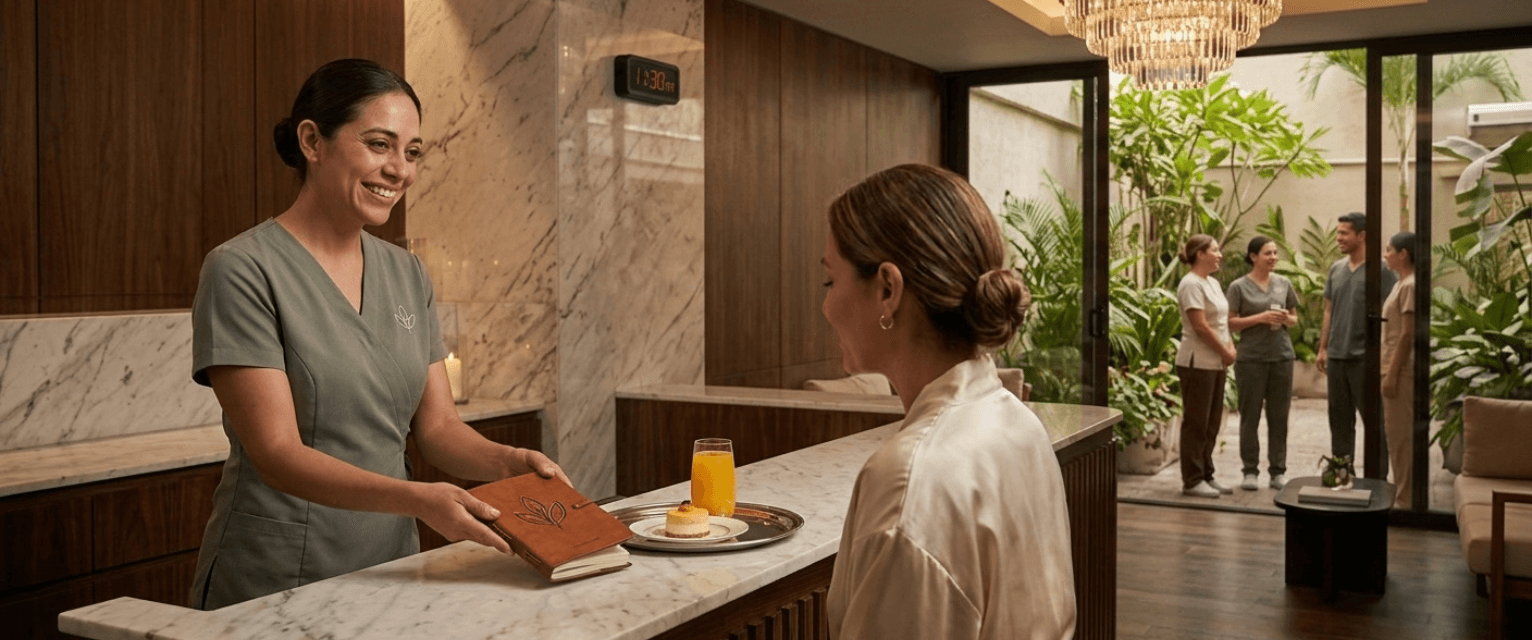
Across Latin America and the hospitality industry worldwide, discussions often center on excellence in guest service. Luxury hospitality brands continually seek to innovate and deliver extraordinary wellness experiences, from cutting-edge longevity solutions to recovery modalities and deeply restorative spa rituals. Yet, a contradiction remains: while brands passionately champion wellness for their guests, they often overlook the operational protocols affecting their staff.
In resort spas and day spas alike, team members routinely work six-day weeks and long hours. A single day off per week does not allow staff to recharge adequately. Even as progressive hospitality brands adopt five-day work schedules, many compress the same hours into extended daily shifts, failing to provide the genuine rest, recovery, and lifestyle balance required for long-term wellness.
The spa and wellness industry relies heavily on human connection, intentional presence, and authentic energetic exchange. Spa directors and managers ask therapists and team members to hold space, convey warmth, and deliver five-star guest experiences. However, expecting overworked, exhausted staff to give 100% consistently is unrealistic and unsustainable.
Mediocre service from a drained therapist is rarely due to a lack of skill, but the direct result of fatigue. A tired staff member cannot radiate the vital energy and focus that authentic wellness experiences require. If hospitality brands are serious about advocating for health and longevity, that commitment must extend to the workforce.
 Rethinking employee wellness means moving past outdated operational schedules. Leaders must recognize that providing employees with adequate time off can directly elevate guest satisfaction, staff retention, and overall operational excellence. True hospitality begins by offering a lifestyle of balance and genuine care to those who bring the guest experience to life.
By Sara Jones, Editor
From Wellness Programs to a Culture of Wellness
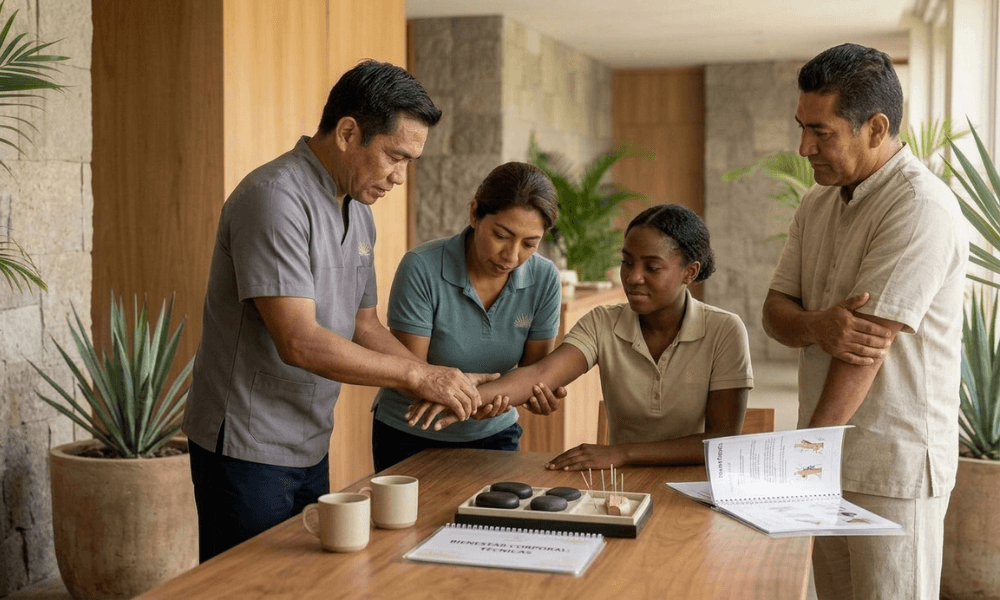 Establishing clear policies and processes – and consistently applying them – allows companies to translate their corporate vision into the guest’s lived experience. Creating a clear roadmap provides direction, administrative order, audit documentation, and data for analysis. But above all, consistency must be measured by a single question: How welcoming is the organization to its own employees?
Intensive training on how to treat a guest is ineffective if the employee has never experienced that hospitality firsthand. If we merely list what needs to be done, without the emotional memory that comes from experiencing a sincere welcome, we are creating only underdeveloped professionals. Employees who experience genuine hospitality within their own organization are better equipped to understand and reproduce that experience for guests.
In this balance between professionalism and empathy, the task is to develop people who internalize the joy of serving; only then will they be open to learning the technical  aspects. And the best – and probably the only – way to achieve this is through daily reinforcement within an organizational culture where peers and superiors treat one another with the same energy with which they treat a guest.
By Alberto Cortina
CEO, Vitalí Spa
www.vitalispa.com.mx