Professional Training and Treatment Development in Sound and Vibration
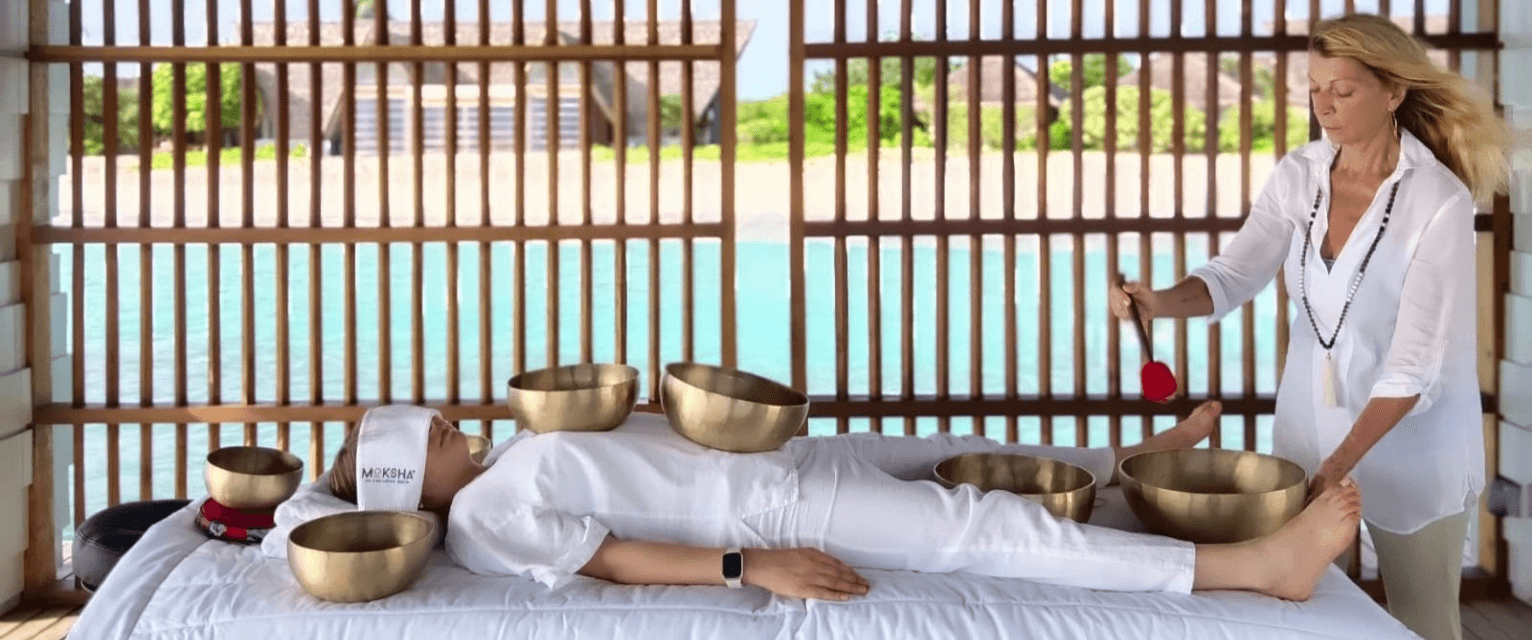
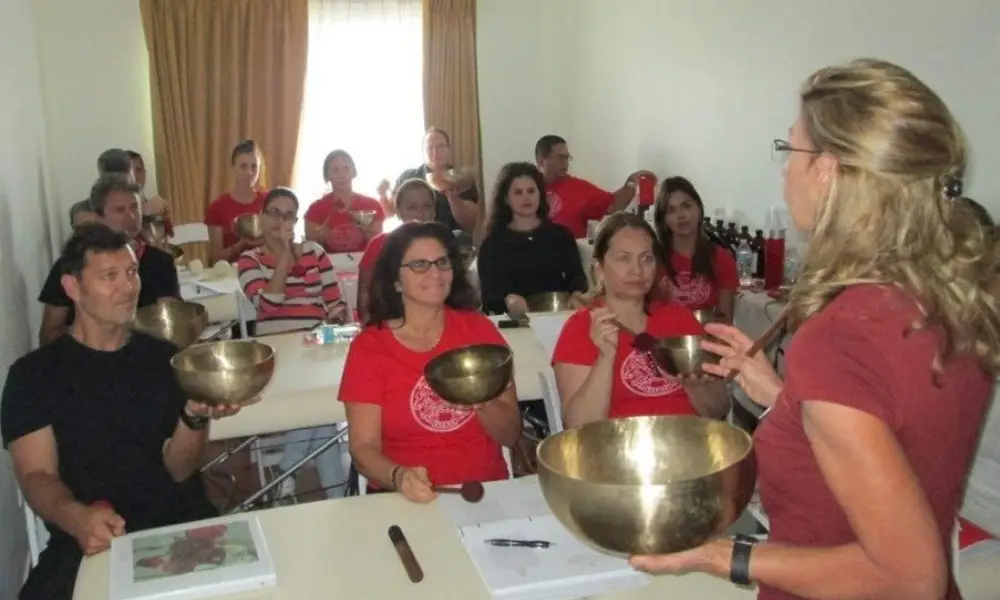
As sound and vibration become increasingly integrated into spa and wellness environments, professional training is essential to creating treatments that are both meaningful and appropriate for guests. Effective education should extend beyond learning how to play an instrument. Practitioners need to understand vibration, sound quality, pacing, placement, contraindications, guest comfort, and how each technique supports the overall treatment experience. Training also helps therapists develop confidence, consistency, and sensitivity when working with different individuals.
 Thoughtful treatment development is equally important. Sound should not simply be added as an isolated feature. It should complement the spa’s philosophy, treatment flow, guest demographics, and operational needs. A well-designed protocol considers when sound is introduced, how long it is used, which instruments are most suitable, and how it integrates with massage, body treatments, meditation, or relaxation rituals.
 When training and treatment development are approached together, sound and vibration can become more than a trend. They can form a distinctive, intentional, and sustainable part of the guest journey.
By Christine Hays
CEO, Eastern Vibration
www.easternvibration.com
Cancer Care: Building Specialized Expertise
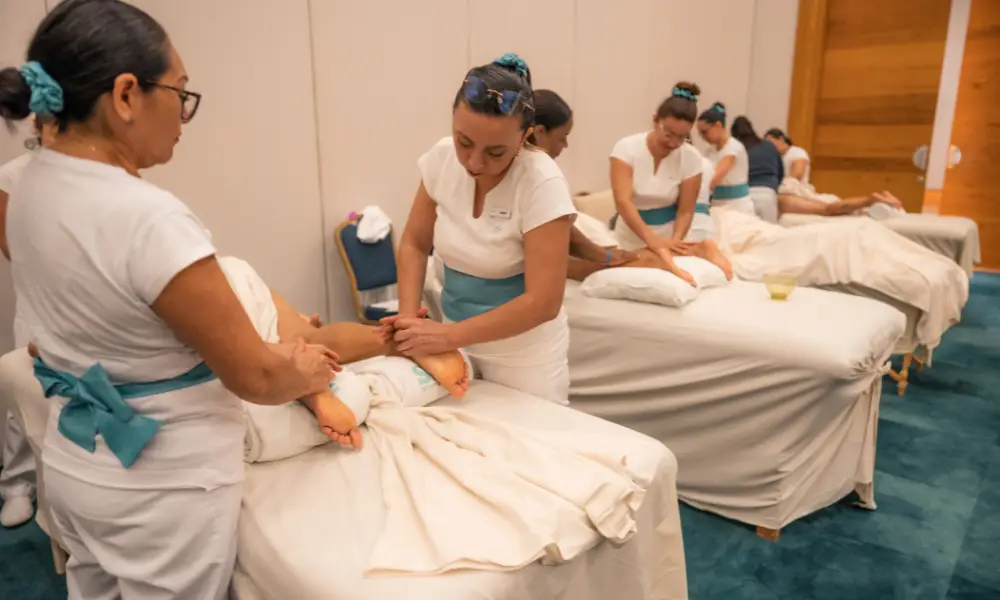 As cancer care shifts toward integration with everyday life, more guests arriving at your spa are living with or recovering from cancer – often without disclosing this. Advanced training in oncology massage and esthetics will prepare your team to safely adapt protocols for guests who’ve had surgery, radiation, chemotherapy, or immunotherapy, each of which requires different precautions such as position, pressure, and direction. Surgical guests may have lymph node removal or fragile healing tissue; radiation leaves skin thin and reactive; chemotherapy affects the skin, immunity, and nerve sensitivity; immunotherapy can trigger its own inflammatory responses.
Trained hands can relieve pain, reduce anxiety, improve sleep, and increase the guests’ overall sense of well-being. Education is the key to success for guests with compromised health.
Certification isn’t just a nice-to-have; it’s risk management and a competitive advantage. It tells guests and insurers that your therapists have verified competency.  For directors, the return shows up in guest trust, positive word-of-mouth, reduced liability exposure, and a reputation as a property that leads on informed, compassionate care – something more and more resorts are offering.
By Christine Clinton
CEO, Wellness for Life
www.christineclinton.com
Beyond Products: Education as a Spa Standard
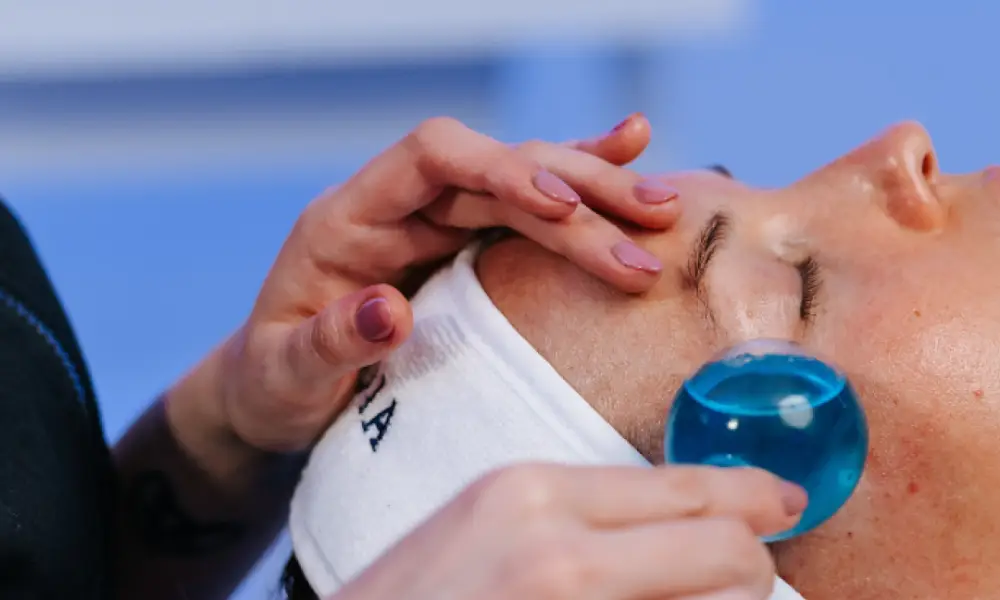 The future of the spa industry isn’t defined solely by the products on the shelf – it’s defined by the knowledge, empathy, and expertise behind every guest interaction. As guest expectations evolve, education is the foundation of exceptional care.
True education extends far beyond learning ingredients or treatment protocols. It equips professionals to understand the science of the skin while listening, asking thoughtful questions, and recognizing each guest’s unique needs. Knowledge paired with empathy transforms consultations into meaningful conversations and personalized experiences. When professionals understand the science behind their services, they create greater trust – and build lifelong relationships. The result is better outcomes, increased guest retention, and sustainable business growth.
At Circadia University, our mission is to empower spa professionals through exceptional education by providing accessible, science-backed learning designed to  deepen knowledge, strengthen consultation skills, and support professional growth. By combining education with practical business strategies and a client-first mindset, we help professionals elevate care, inspire confidence, and build thriving businesses.
By Yovanka Alizo
International Director of Education, Circadia by Dr Pugliese
www.circadia.com
Empowering the next generation of spa leaders through education
In 2012, the Global Wellness Institute and SRI International raised the alarm: the spa industry had nearly 180,000 management positions to fill globally, while only 4,000 people were enrolled in formal specialized training programs. Demand for leaders already exceeded supply.
 Fourteen years later, the challenge is even greater. Based on GWI data, the American Wellness Association estimates that by 2026, more than 340,000 trained leaders will be needed, compared to a pool of just 7,600 students. The gap has not closed – it has widened.
Added to this demand is the hospitality sector. Driven by wellness tourism – which grew from $439 billion in 2012 to $894 billion in 2024 – more and more hotels are seeking to position themselves as wellness destinations. It is no longer enough to have a spa: wellness directors and experiential curators are needed, roles that barely existed a decade ago.
Training these professionals demands rigor: business acumen, leadership, experience design, marketing, and a comprehensive understanding of wellness. With this conviction, the Executive Director of Wellness course was developed and offered in a  hybrid format to create impactful training. Investing in education means building careers, raising standards, and strengthening the wellness industry in Latin America.
By Eduardo Finci
American Wellness Association
www.asociacionspa.com.ar/awa