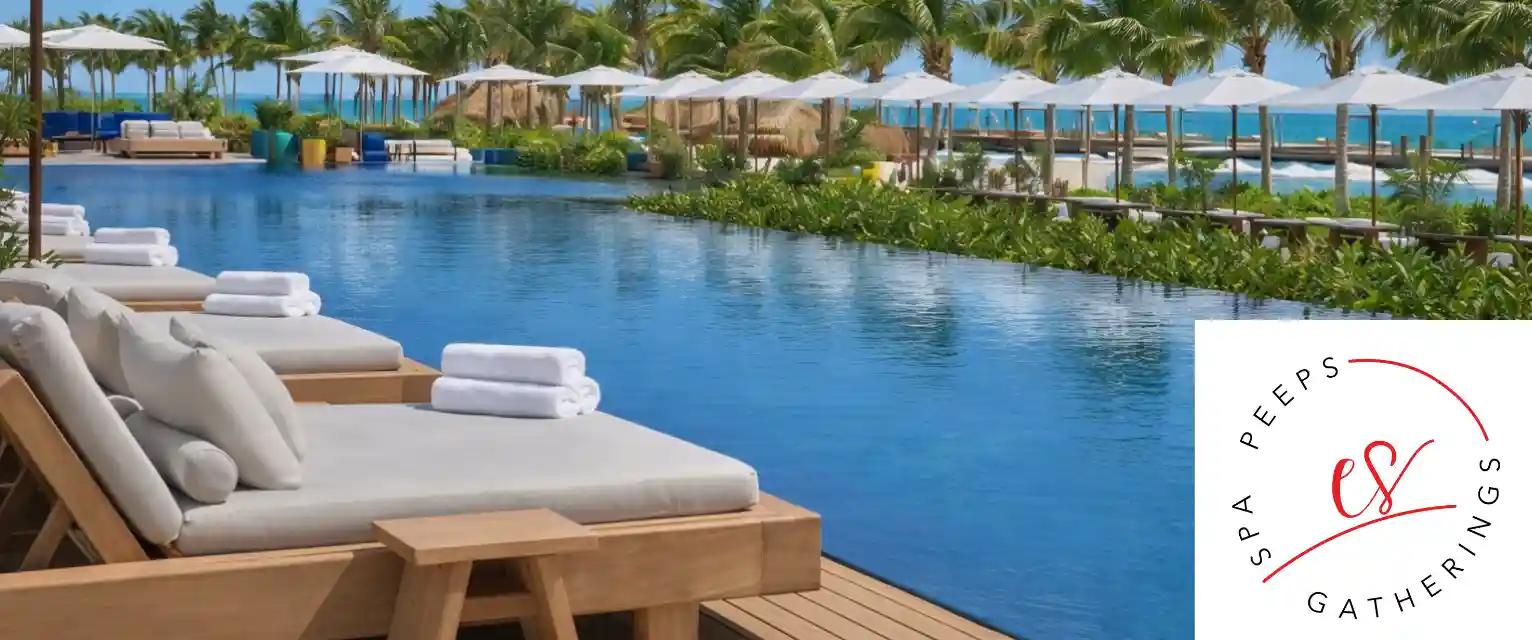
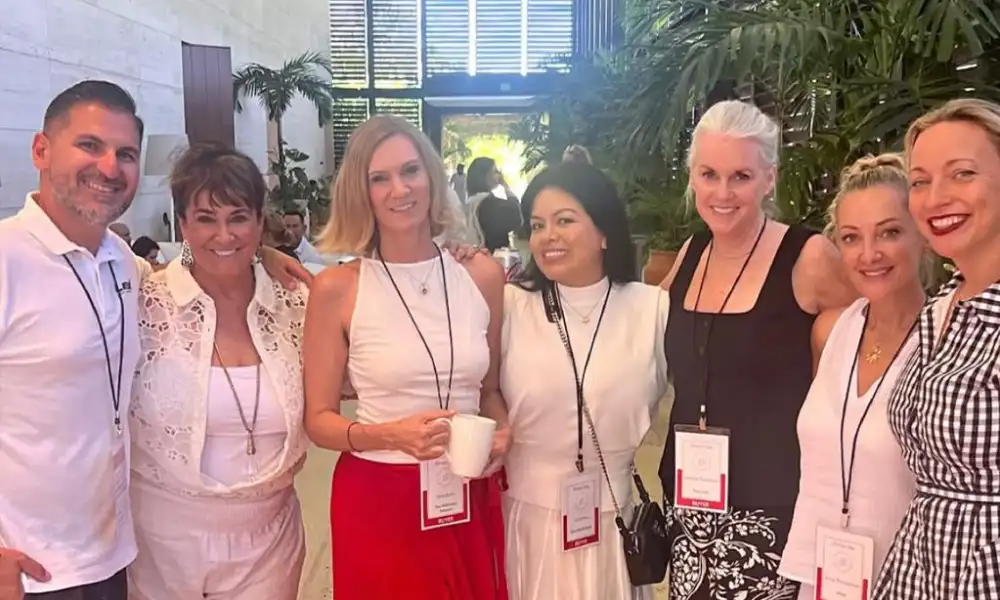
 The Elevate Spa event by Spa Peeps brought together spa leaders and industry providers at The Riviera Maya EDITION at Kanai for three days of education, networking, and meaningful connections. The program combined educational sessions with curated meetings, networking events, and shared experiences, creating opportunities to exchange ideas, explore new developments, and connect with professionals from across the spa and wellness industry.
Customer Experience: From Monologue to Dialogue to Intimacy
Jon Nasta, CTN.FI, RNR Lounges & Rubicon Leisure
Moderator: Patty Nuemeier
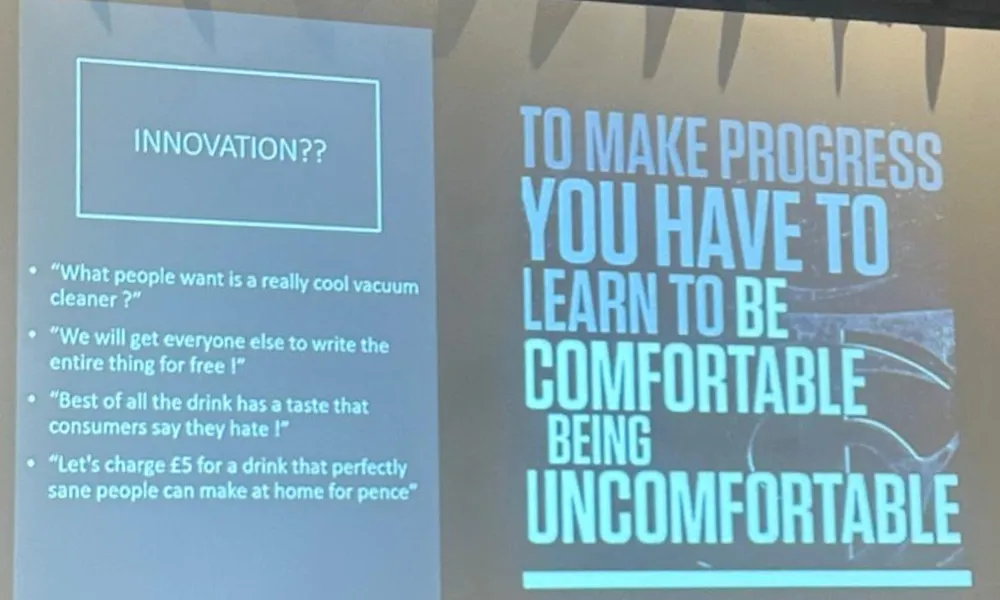 Your competitors can likely copy your business, product, or service. The only thing your competition cannot copy is how you make people feel! What you do and how you do it becomes the ethos of your brand. Be clear about your brand promise and listen to your customers to create together; this is true personalization. When your brand promise and brand experience overlap, you deliver authenticity.
Ask yourself: in your business, do your behaviors match the outcomes you aim for, and how are you going to show up?
The Korea Phenomenon: What Luxury Spas + Resorts Can Learn From the World’s Beauty Powerhouse
Angela Jia Kim, Savor Beauty
Angela Jia Kim is the author of Radical Radiance, founder of an organic Korean skincare brand and facial clinics in New York City, and has built a facial club membership community, in addition to being a concert pianist.
Korea is now second in skincare exports, after France, knocking the US into third place. Glass skin fueled the interest and boom in Korean skincare. With storytelling, credibility, and results, K-beauty has made an impact. Social media has given buzzwords to the traditions used in K-beauty techniques for years. In her NYC facial clinic, aestheticians have trained New Yorkers to think like Koreans and treat facials like a maintenance routine rather than a luxury.
The Neuro Luxury Era
Thomas MacPherson Le Maire, Atelier Vitae
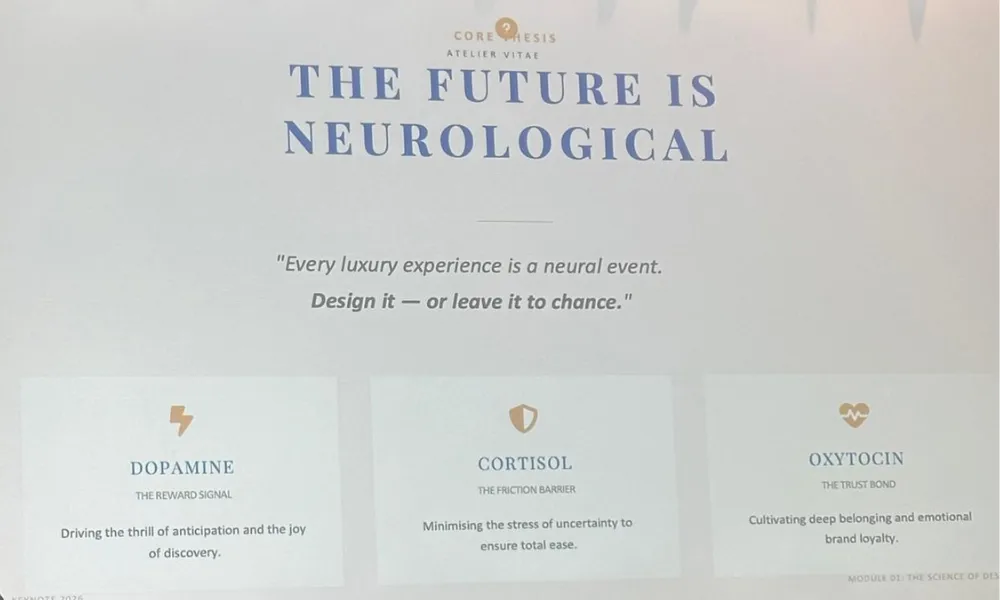 Modern luxury hospitality is rapidly evolving beyond conventional service metrics, shifting toward ‘neuro-hospitality’ – a framework that focuses on the neurobiological resonance of the guest experience. Built upon a foundation of fundamental neurochemical drivers, this approach deliberately triggers dopamine to excite discovery, reduces cortisol by removing operational friction, and increases oxytocin to foster long-term trust and belonging. To capture the incoming generation of luxury consumers – with Millennials, Gen Z, and Gen Alpha projected to drive nearly 80% of luxury purchases by 2030 – Atelier Vitae outlines five core dimensions: Sensory Architecture, Anticipatory Intelligence, Narrative Immersion, Friction Removal, and Emotional Memory Design. By treating environmental details like warm amber lighting and restorative movement as direct ‘neural commands’, hotels activate the parasympathetic nervous system, inducing profound calm while seamlessly engineering unforgettable peak moments.
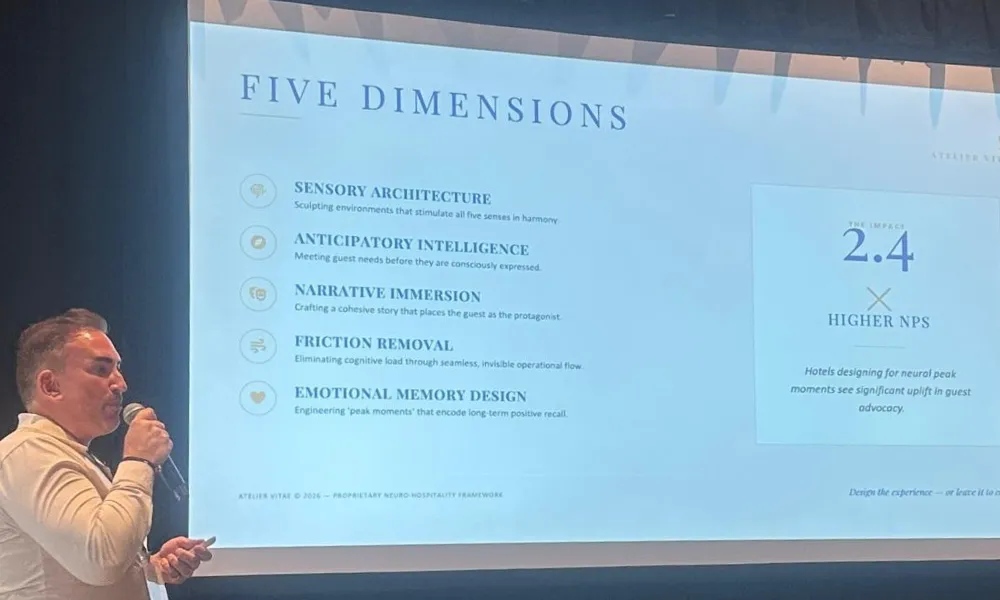 For properties adopting these brain-centric principles, the commercial returns extend far beyond traditional satisfaction scores. Moving past simple transaction tracking, performance is now measured through advanced indicators such as Neural Salience, Emotional Resonance Scores, and Peak Moment Indices. This science-backed approach to guest design reduces cognitive load while elevating the stay into a deeply personalized journey where the guest becomes the main protagonist. Properties that design specifically for neural peak moments achieve a 2.4x higher Net Promoter Score (NPS) and a remarkable 122% uplift in revenue per guest within 18 months. Ultimately, aligning environmental design with human biology allows wellness and luxury destinations to build unmatched brand advocacy and transform casual visitors into lifelong loyalists.
Staying in Your Lane: The Intersection of Wellness, Technology, and Economic Viability in Spa Management
Jessica Wadley, Oakworks
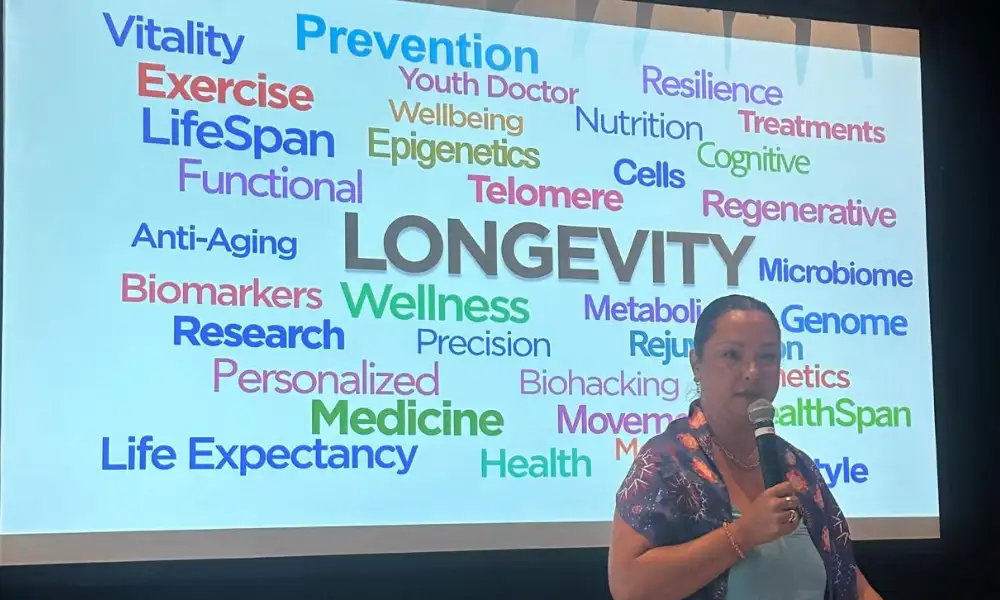 Jessica of Oakworks shared the latest data from GWS and ISPA and inspired a conversation among hospitality leaders regarding the relevance of investing in wellness for leisure hospitality brands. Patrick Huey of Hyatt Resorts and Suzanne Holbrook of Marriott Hotels & Resorts stressed the importance of understanding how the trends apply to each hospitality brand specifically before implementing longevity solutions across the board. Emmanuel Arroyo of Rosewood Hotels and Resorts explained that while the impressive statistics showing the growth of the wellness industry are important to have, they also come with the responsibility of delivering revenue once these wellness modalities have been implemented.
Work Smarter: From Curious to Capable in AI
Lauren Reyes, The Spa Collaborative
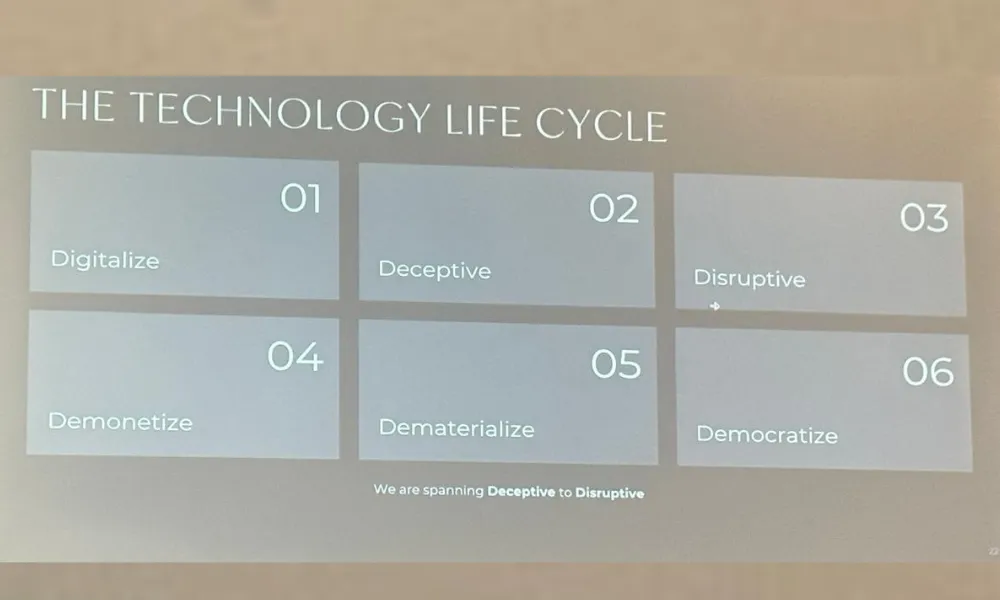 As artificial intelligence progresses through the 6 ‘D’s of Exponential Technology, we are currently at a critical inflection point – transitioning from the Deceptive phase into full-scale Disruption. Early AI developments operated quietly under the radar, progressing exponentially yet appearing linear to outside observers. Today, with the rapid rise of generative AI and multimodal models, performance and adoption have crossed the visual threshold into market disruption. As AI continues this trajectory, it will inevitably drive rapid Demonetization, Dematerialization, and ultimate Democratization – reducing the marginal cost of intelligence to near zero and making enterprise-grade capabilities accessible to everyone globally.
The digital revolution has systematically driven the incremental cost of essential goods and services down to zero, transforming how modern economies function. As software and global networks scale, traditional media like photography, music, communication, and general entertainment have all effectively reached a zero/marginal cost model, allowing endless duplication and distribution at virtually no extra expense. Looking ahead, automation, electrification, and autonomous networks promise to extend this trend beyond digital media into the physical world, positioning transportation as the next major sector where marginal costs will approach zero.
Artificial intelligence is reshaping the wellness industry by automating and democratizing information while elevating the value of real-world human connection. While AI can easily process, share, and lower the cost of accessing wellness knowledge, it cannot replicate physical presence, hands-on treatments like massages, or the sensory experience of being in a curated physical sanctuary. Ultimately, as AI standardizes the science behind health and well-being, premium market value will rely 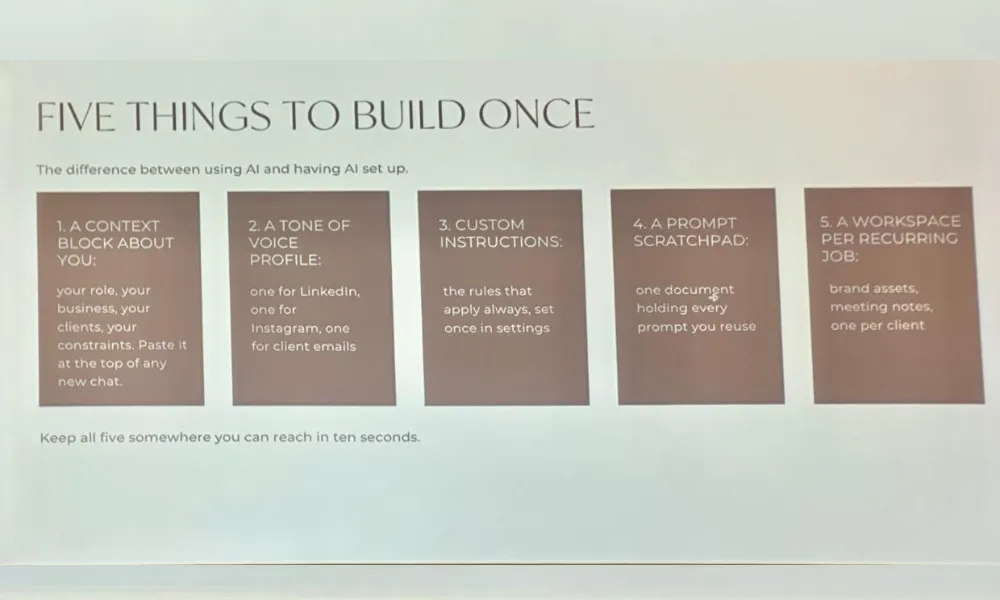 entirely on an organization’s ability to deliver tangible, high-touch physical experiences.
Lauren walked the attendees through the process of creating great AI prompts, consistently checking and proofreading the work, and improving workflows and deck building. Five things you can build first include: a context block about you, a tone of voice profile, custom instructions, a prompt scratchpad, and a workspace for each recurring job.
By Sara Jones, Editor