
The Sound of Stillness: A Buddhist Opening Experience
Dhammajarinee Witthaya School Buddhist Chanting Team, Thailand
Introduced by:
Nancy Davis, Chief Creative Officer & Executive Director, Global Wellness Summit and Global Wellness Institute, United States
The Architecture of Intention
Jessica Jesse, GWS 2026 Co-Chair; Founder, CEO & Creative Director, BuDhaGirl®; Founder, Zen Collective; United States
Jessica Jesse reminded us of the power of ritual and intention. Something done repeatedly without thought is a habit; something done repeatedly with intention becomes a ritual, which can help us to stay present, calm the nervous system, and live in gratitude.
The Inner World: The Spirit of Wellness
Shunya, Co-Founder, Tianren Culture, Hong Kong (SAR China)
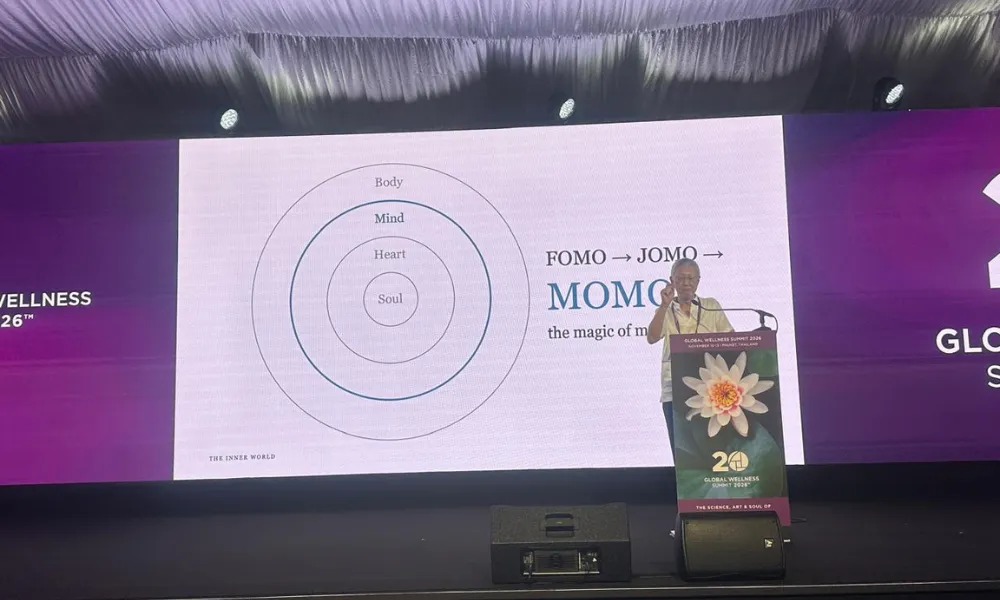 Shunya (formerly Victor Koo), co-founder of Tianren Culture, spent 18 years in the internet and mobile world. Then a week-long fast and an unexpected breathwork session here in Phuket in 2018 turned his life around. His talk asked the summit to look below the waterline. Most wellness stays at the surface, easing symptoms that soon return. The deeper drivers lie in what we feed our bodies and minds, how we feel, and who we really are. In a world that fills every gap with scrolling, he offered ‘MOMO,’ the magic of missing out: saying no to what doesn’t matter makes room for what does. He led the room in a shared hum to show how people move from agreement to alignment, then resonance and, finally, coherence. His challenge: what if wellness measured coherence instead of results? Separation, he said, is the world’s illness, and presence is the remedy. His takeaways were simple: Awareness, Balance, Connection.
Beyond the Hype: Rethinking Longevity and the Business of Wellness
Anna Bjurstam, Founder, Wahayla, Sweden
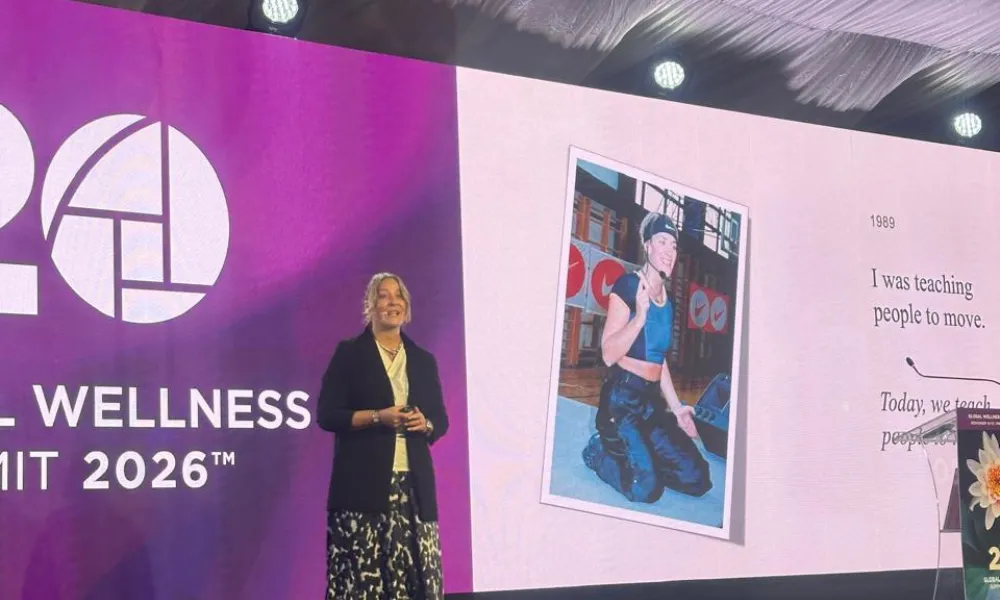 Longevity is the new word reshaping our industry, and Anna Bjurstam warns it is repeating wellness’s early mistakes.
Europeans live roughly 17 years, about 21% of life, in poor health. In Japan it is about half that. Anna put the room to a test. You’re 52, your blood work is normal, yet you’re exhausted, sleeping badly, and aching. Who do you see? If a room of wellness experts doesn’t know, how can the public? Her metaphor: doctors are brilliant at repair, but who handles the service? Medical training includes 7 to 24 hours on nutrition, about 90 minutes on sleep, and perhaps one lecture on menopause. Wellness and medicine, a long and unhappy arranged marriage, have finally started couples therapy.
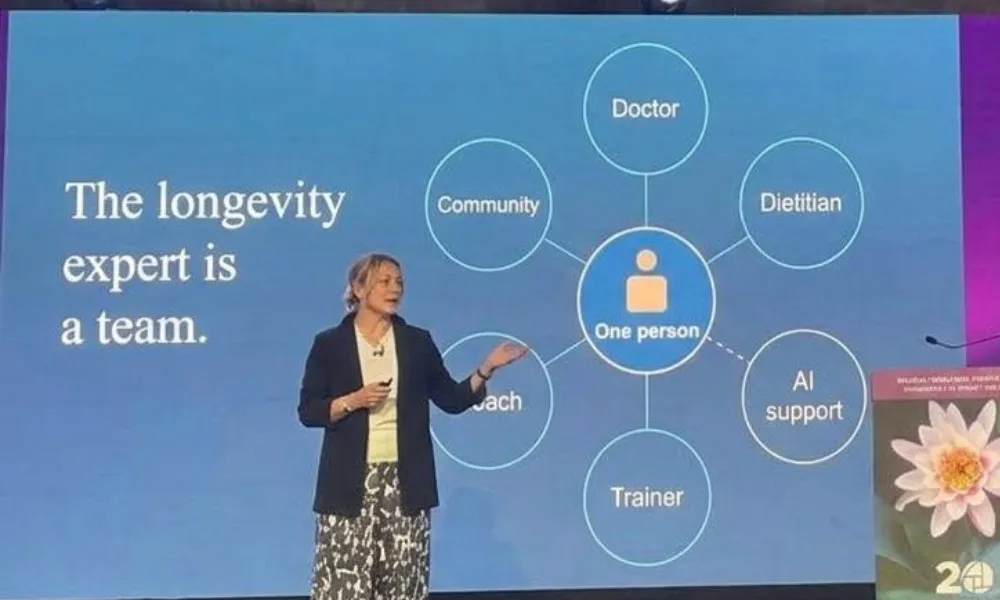 In a study of 88 longevity clinics, 61% weren’t profitable, often because enthusiasts built them for fellow enthusiasts. Cryotherapy, red light, IV drips, and hyperbaric chambers have their place. But people are really asking for someone who understands them, a plan that fits their life, people to do it with, and a reason to come back. Her advice: do the basics first. Hotels offer what clinics can’t: time, a healing environment, community, and immersion. Stay curious and honest about what science doesn’t yet explain.
Her closing call: after 20 years of the Summit bringing the industry together, the next 20 should be about radical cooperation, with doctors, nutritionists, coaches, and scientists at one table, working toward a world free of preventable disease.
The Transformation Economy & Its Impact on the Wellness Economy
Video conversation featuring:
B. Joseph Pine II, Bestselling Author, Speaker & Management Advisor; Co-Founder, Strategic Horizons; United States
In Conversation with: Susie Ellis, Chair & CEO, Global Wellness Summit and Global Wellness Institute, United States
Joseph Pine explained how his transformation economy could push the wellness economy even higher by delivering more value. Joseph’s progression of economic value climbs from commodities to goods, services, experiences and, at the top, transformations. All transformation, he said, is identity change.
Behavior change is one form, and it sticks best when tied to a deeper aspiration, such as eating better to see your grandchildren grow up. To find that aspiration, ask ‘why’ five times.
Travel is fertile ground, because people are most open to change away from daily life. But a transformation must last. Joseph wraps any experience in preparation beforehand, reflection afterward and, hardest of all, integration back into daily life through journals, emails, or virtual coaching. You can’t leave guests when they leave you.
Where wellness falls short, he said, is treating people as a generic mass market instead of as individuals. His call to the industry: embrace that you are in the transformation business, aim for ‘human flourishing’ and the money will follow.
The Great Remembering: How Powerful Ancient Practices Are Reinventing Modern Wellness
June Cohen, Author, Media and Technology Pioneer, United States
 Several years ago, June Cohen, co-creator of TED Talks, stood at the edge of a cliff, literally and figuratively. She and her husband had built a thriving media company that was wearing them down. So they did what humans have always done at such crossroads: they went on a pilgrimage. At the top of a steep, sun-baked trail in Sardinia, a question came to her: What can the ancients teach us about how to live today?
That question became her new book, The Great Remembering. June argues that in times of rapid change, humanity has always looked to the past as a springboard for progress. She also says that our ancestors encoded wisdom not only in texts but in embodied practices. She calls them ‘wisdom systems.’
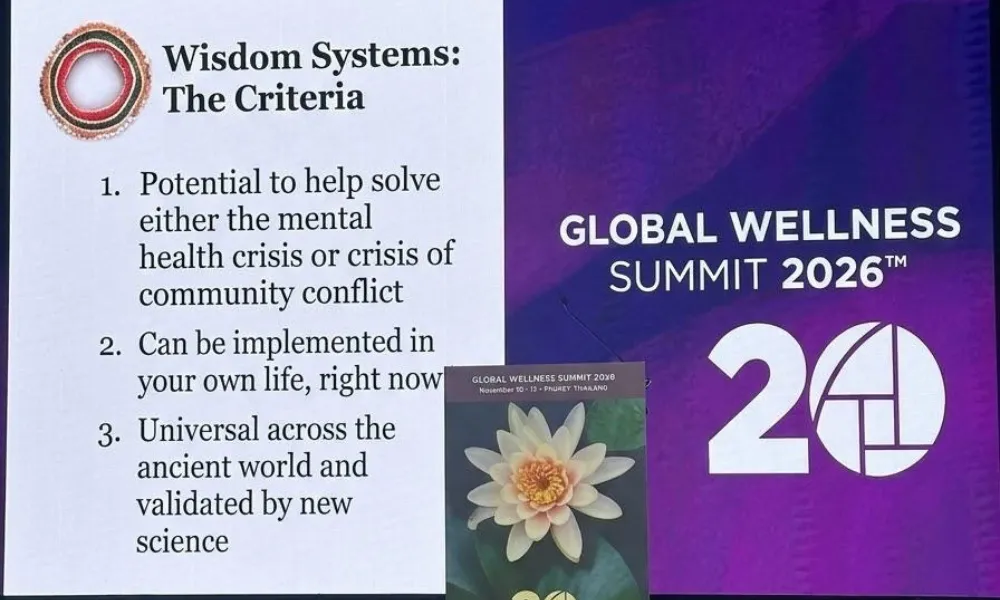 Crucially, modern science is now validating them. Finnish researchers documented the benefits of sauna and cold plunge; hundreds of studies have examined Ramadan-style fasting; and Japanese research on forest bathing has shown that just 20 minutes in a green park can lower cortisol, inflammation, and blood pressure.
June focused on one system: the epic physical challenge. From coming-of-age rites to the Camino de Santiago, physical ordeals have long marked emotional transitions. Hormetic stress triggers cellular repair and neuroplasticity, while endorphins, as Oxford’s Robin Dunbar told her, ease mental as well as physical pain. Do it together, and the effect multiplies: rowers training as a team release twice the endorphins of those rowing alone.
The golden rule? Don’t go it alone. Structure, meaning, a coach, nature, recovery, and a squad all matter.
Her provocation for our industry: perhaps people don’t need more rest, but a challenge; not a pill, but a practice. And, above all, each other.
Selling Forever: Longevity, Capital and the Wellness Reckoning
Moderated by: Ingo Schweder, Founder & CEO, GOCO Hospitality, Thailand
Participants:
Professor Gerry Bodeker, Member at Green Templeton College, University of Oxford, UK and Malaysia
Rakesh Patel, CEO & Founder, Alta Capital Real Estate, Hong Kong (SAR China)
For Rakesh Patel, CEO and founder of Alta Capital Real Estate, wellness works at both macro and micro levels: it rides a structural trend, and retreats deliver high ADRs, premium pricing, community, and loyalty. But vision alone doesn’t produce returns. With a six-year fund targeting 15-20%, he says success comes down to execution: the right acquisition price, the right capex, and the right management team. The bigger challenge, he argued, is turning purpose into an investable model that reaches many people, not just luxury guests. Who should run the company? A hotelier who understands the numbers, surrounded by people who understand the concept.
Gerry Bodeker, founding chair of GWI’s Mental Wellness Initiative, shared the finding that stopped him cold: a Nature Medicine postmortem study that found ten times more plastic in the brains of people with dementia than in those without. Microplastics reach us through air (from tire wear), food, soil, and synthetic clothing, yet ‘detox’ programs rarely address them. He urged medical wellness to ask what IV bags and cannulas are made of, and noted that blood purification may clear plastics from the blood, but not from tissues. Getting them out, he said, is the wellness community’s challenge. His free white paper, developed through GWI’s Microplastics Watch Initiative, is a good place to start.
Gerry predicts wellness will transform medical science through functional, longevity, and precision medicine. Rakesh predicts wellness will become so woven into hospitality and daily life that, like the Blue Zones, we’ll simply stop talking about it.
Banking on Wellness
Diego Carrete, Chief Wellness Officer, First Abu Dhabi Bank, United Arab Emirates
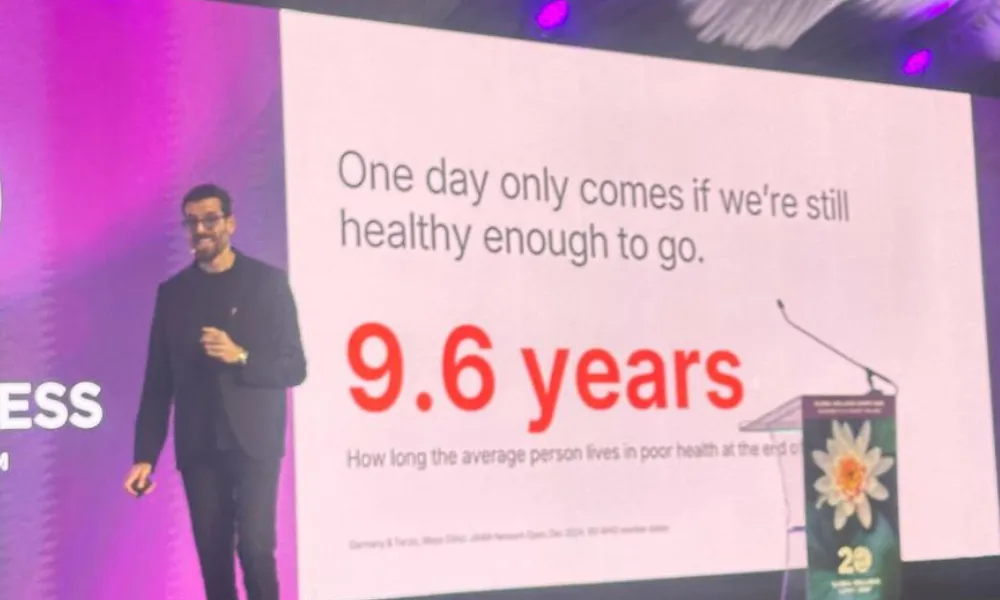 In The Shawshank Redemption, Andy Dufresne spent nearly 20 years chipping a tunnel with a tiny rock hammer, hidden behind a poster. For Diego Carrete, that is exactly what workplace wellness looks like: slow, repetitive, unglamorous work that nobody applauds. You only notice it when it fails.
His vision is simple: after 20 years in an organization, people should leave healthier than when they arrived. The alternative is slow decay caused by the wrong defaults. Programs that depend on passionate champions vanish when those champions leave. Wellness that is carved into defaults, budgets, and buildings stays.
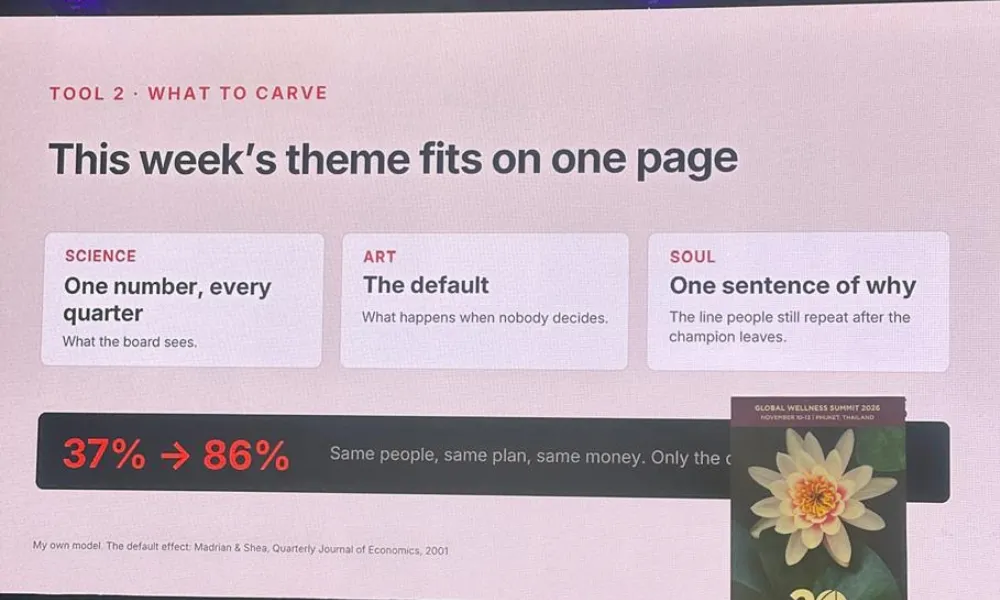 Diego shared practical, low-cost tools. A ladder: every intervention climbs from initiative to program, policy, and board oversight. This year, the First Abu Dhabi Bank (FAB) became one of the first banks with a wellness policy separate from health and safety. A one-page frame of science, art and soul, such as making high-protein meals the canteen default. And a simple test: would anyone miss it if it disappeared?
Wellness, he said, must be measurable, undeniable, and invisible. And remember: the healthiest people aren’t obsessed with wellness. They’re engaged with life.
Debra Simon Award for Furthering Mental Wellness
Presented by: Lauren Wright, President, Debra Simon Family Foundation, United States
Lauren Wright, President of the Debra Simon Family Foundation, presented the Debra Simon Award for Furthering Mental Wellness to Luuk Melisse, co-founder of Sanctum, the global mindful movement community.
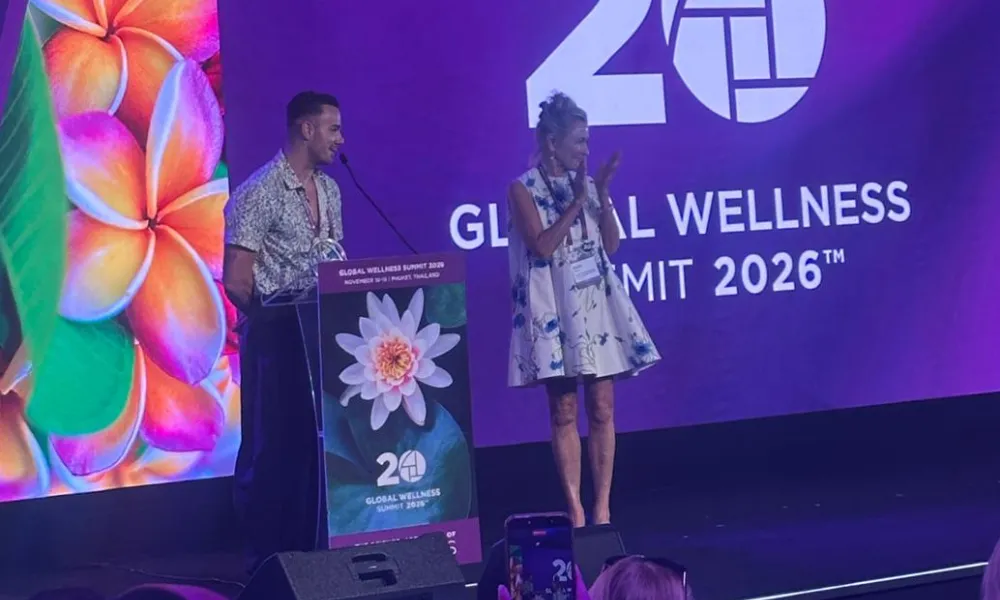
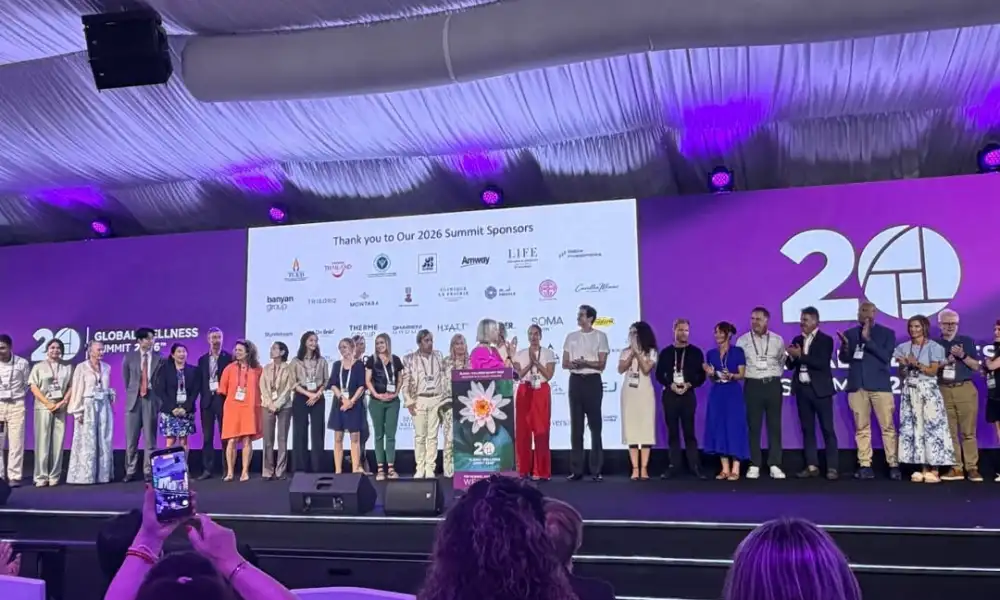
A Moment of Gratitude: Our Sponsors & Geography of Wellness Partners
Michelle Gamble, Senior Vice President for Global Business Development, Global Wellness Summit, United States
Jane Kitchen, Media & Trends Analyst, Global Wellness Summit; Director, Geography of Wellness and Ambassador Programs, Global Wellness Institute; United Kingdom
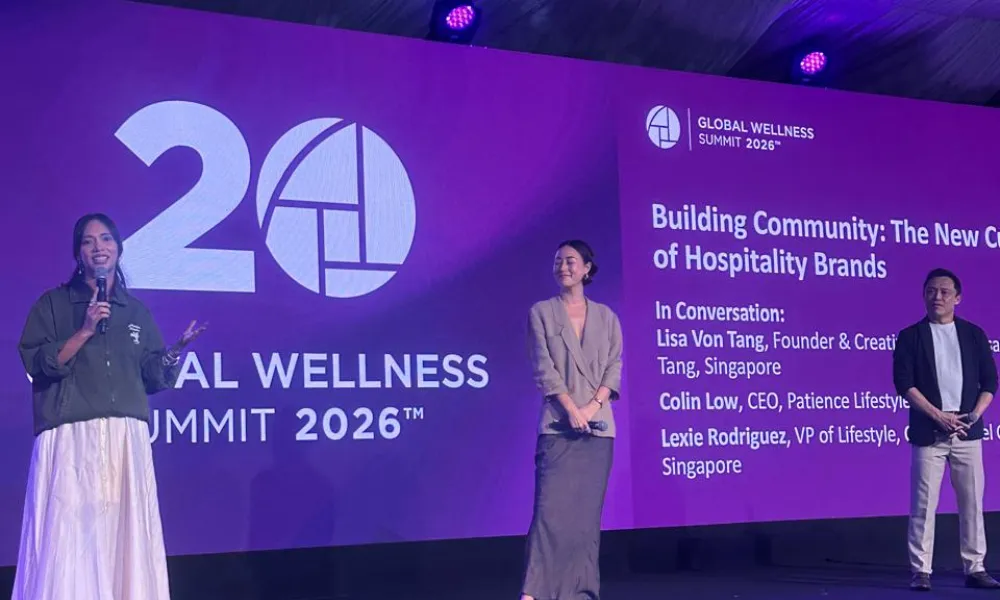
Building Community: The New Currency of Hospitality Brands
In Conversation:
Lisa Von Tang, Founder & Creative Director, Lisa Von Tang, Singapore
Colin Low, CEO, Patience Lifestyle, Singapore
Lexie Rodriguez, VP of Lifestyle, Capella Hotel Group, Singapore
 Fashion designer and creator Lisa Von Tang invoked ubuntu: ‘I am because we are.’ Before any hotel collaboration, she asks: do I want these to be my people? Her merchandise launch at Patina Osaka gathered tastemakers from Osaka and Tokyo for breathwork, a Japanese jazz listening session, and lunch. Her advice: involve creators in the work, so they feel ownership.
Lexie Rodriguez, VP of Lifestyle at Capella Hotel Group, spoke as the operator. Capella replaces the concierge with ‘culturists,’ local storytellers. At Capella Kyoto, a maiko performs each evening, then buys pastries with her neighborhood discount since she also works next door. At Capella Ubud, around 85% of the team 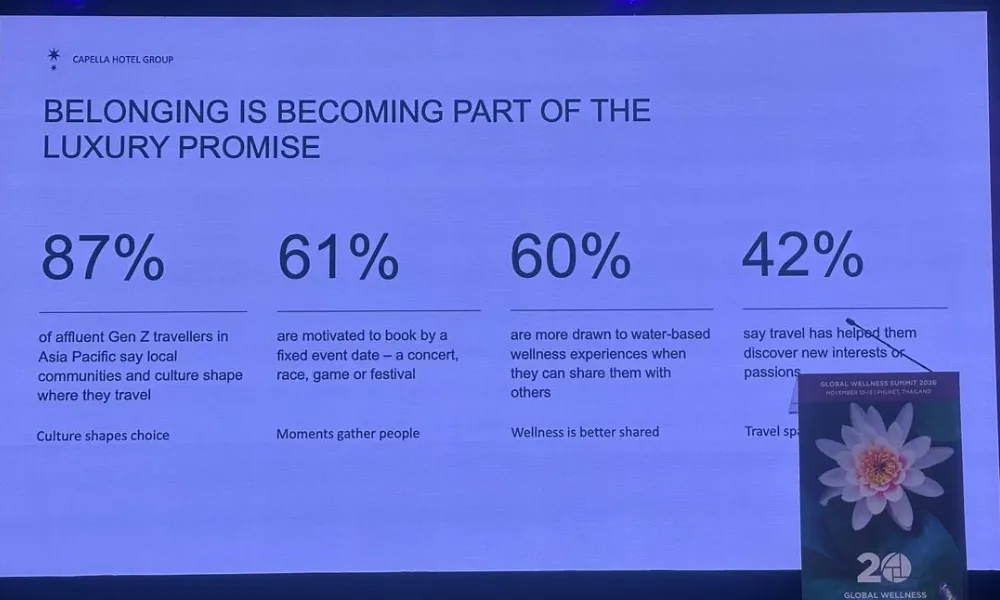 comes from Keliki village, and children trade bags of trash for English lessons. The goal: a hotel locals proudly call theirs.
Investor Colin Low, CEO of Patience Lifestyle, sees the same at Myoko, one of his group’s ski resorts in Japan. The Golden Trail World Series drew over 600 international runners, yet the locals, from regional runners to neighborhood food stalls, excited him most. As former CEO of the Singapore Land Authority, he weighted tenders 70% on concept and 30% on price, turning a disused school into New Bahru. Noticing few attendees under 35, he challenges the summit to include younger delegates in future years.
The Women’s Health Conversation Nobody Wants to Have
Christopher Asandra, MD, Founder & Chief Medical Officer, AsandraMD, United States
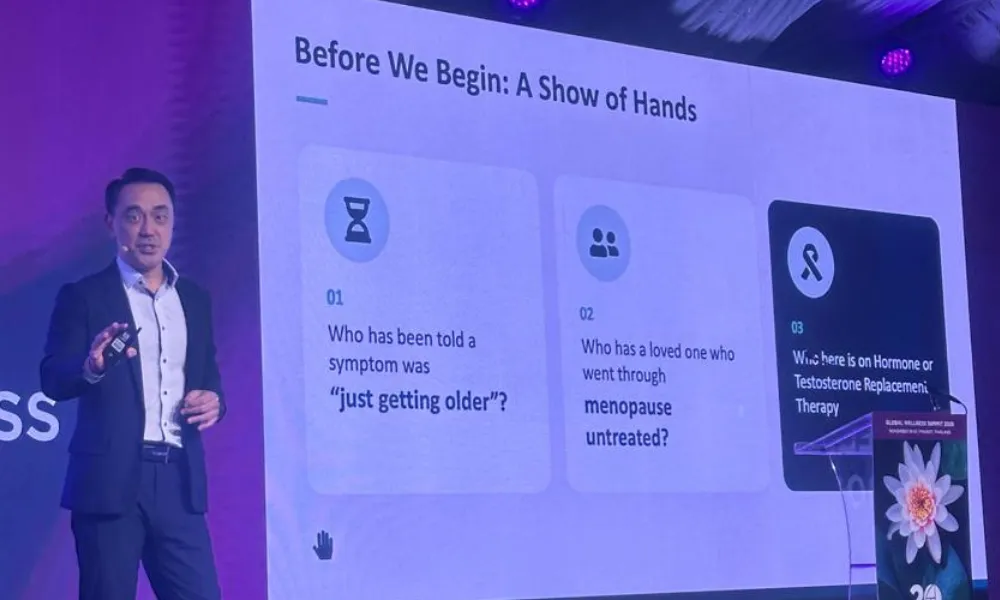 “It’s just part of getting older.” For millions of midlife women, that is still the answer they get when seeking help for menopause symptoms, says Dr. Christopher Asandra, who runs longevity clinics in Beverly Hills and Newport Beach, and wants to change that conversation.
The symptoms are familiar: hot flashes, night sweats, broken sleep, brain fog, low libido, and, for many women, deep fatigue. They are also costly. A 2023 Mayo Clinic study surveyed about 4,400 working women aged 45 to 60. It found that 13.4% had suffered at least one adverse work outcome because of menopause symptoms. Missed workdays alone cost the US an estimated $1.8 billion USD a year.
For two decades, hormone therapy carried a stigma rooted in the 2002 Women’s Health Initiative study. In November 2025, the FDA moved to remove most of the boxed warning from menopausal hormone therapies. It cited evidence that the risks are low for women who start treatment before 60 or within ten years of menopause.
Christopher’s message is that care should be personal, not one-size-fits-all. Doctors should listen first, check hormones as routinely as cholesterol, monitor patients regularly, and treat the patient rather than the number. Exercise, nutrition, and sleep still matter, but women need the energy to keep them up. The goal isn’t only to add years to life, but to add life back to those years.
By Sara Jones, Editor