A Global Glimpse: Wellness Real Estate Projects from Around the World
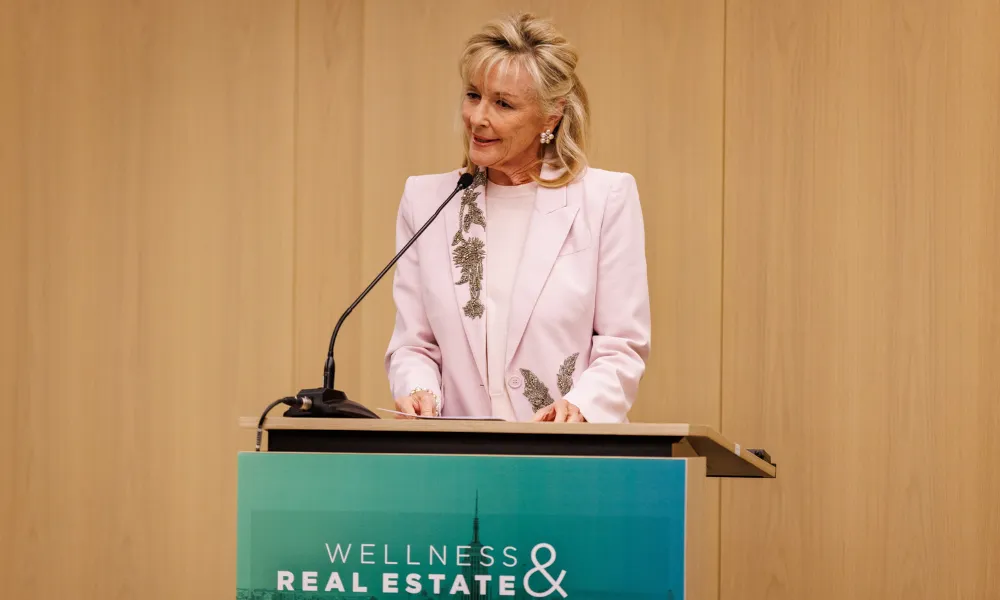
Susie Ellis, Chair & CEO, Global Wellness Summit and Global Wellness Institute, United States
Susie Ellis welcomed the audience and shared the importance of a global viewpoint. Susie’s mentor, Deborah Szekely, launched the first spa at sea with Cunard cruise lines so her staff could travel the world. Over the last two decades of Global Wellness Summit events, insights have been shared from around the world.
Wellness real estate must include nature and biophilia in every project, more than just amenities; wellness must be built into the infrastructure. Community and connection are essential, and diagnostics are emerging as an important factor. Neurowellness and art are key to creating atmospheres that enable residents to live in a state of calm.
The Age-Friendly City
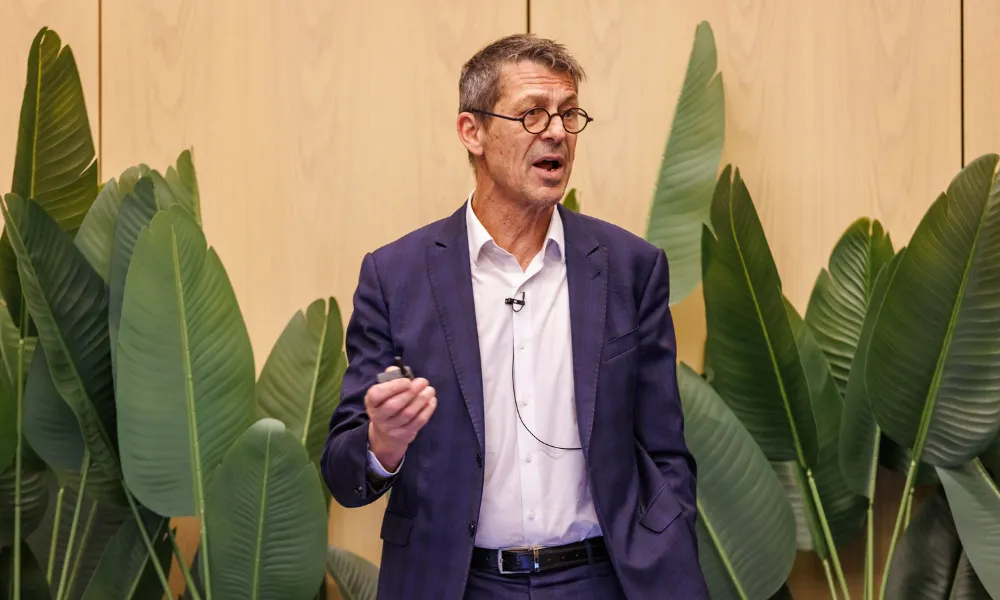
John Beard, Professor & Director of the International Longevity Center USA, Columbia University, United States
Almost every country in the world is rapidly growing older; by 2050, many countries will have more than a third of their population over 50. There is a global network of age-friendly cities that was launched in 2010. This involves redesigning and renovating to include open spaces for community and connection.
Seventy is the new 60! Cognitive function is improving as people live better lives, grow up with better nutrition, and enter older age in better health. With the emergence of AI, we are about to understand health in old age and better cater to their needs. People’s needs in old age are incredibly diverse; mental and physical capacities can range tremendously, and that must be taken into consideration when designing. The universal priorities are the basic needs of safety, comfort, movement, and nutrition; then mobility, growth, and learning, the ability to build and maintain relationships, and to contribute to the community.
Build Well to Live Well: Case Studies, Volume 2, GCC
Katherine Johnston, Senior Research Fellow, Global Wellness Institute, United States
Ophelia Yeung, Senior Research Fellow, Global Wellness Institute, United States
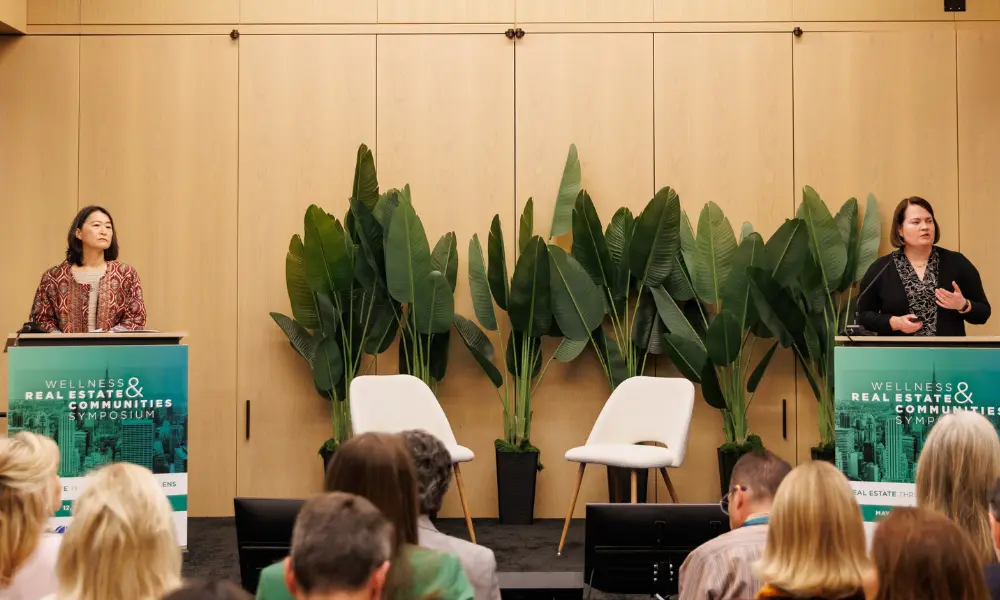
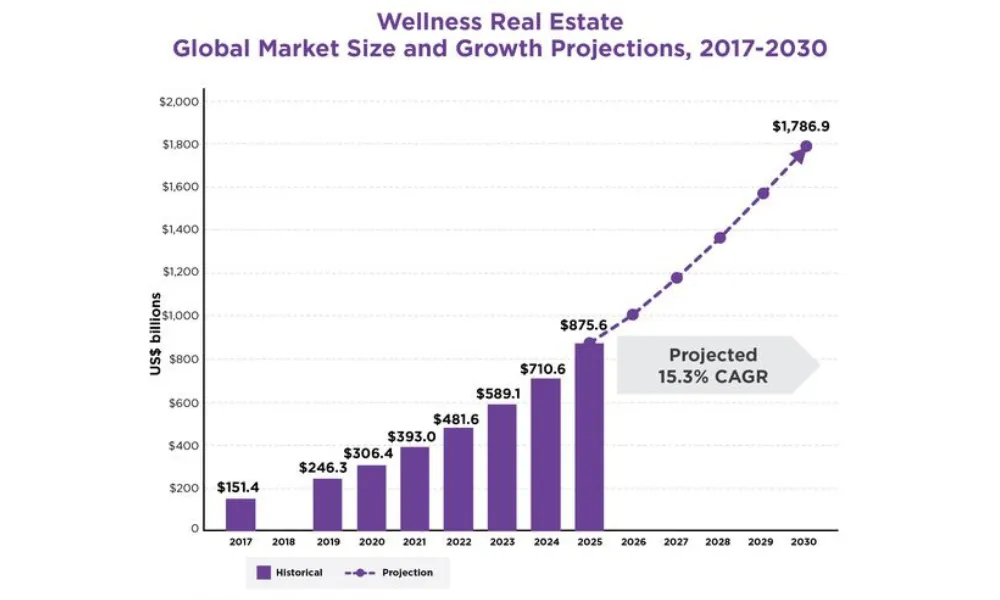
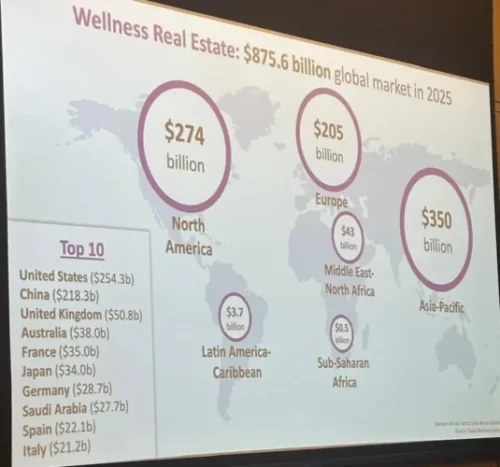
The wellness real estate market size is now $875 billion USD, with 20% growth annually over the last 10 years and 15% growth predicted in the coming years. Wellness real estate growth rate outpaces the traditional construction growth rate.
Katherine and Ophelia researched wellness real estate in Saudi Arabia and the United Arab Emirates, both with exceptionally strong growth. With the current war affecting the region, these markets may see significant shifts.
The Impact of AI on the Built Environment
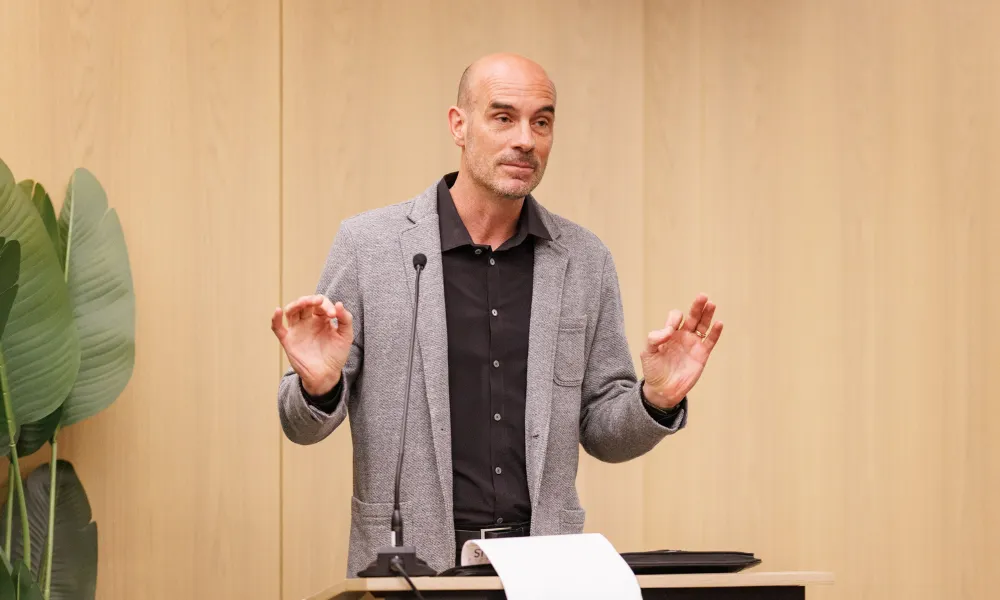
Joseph G. Allen, DSc, MPH, CIH, Professor, Harvard T.H. Chan School of Public Health; Director, Harvard’s Healthy Buildings Program, United States
The way our indoor spaces are designed is integral to our health. Your indoor age is your real age times 0.9, as we spend around 90% of our time indoors. In recent years, building ventilation has been set to target odor control, not to bring in outdoor air at rates conducive to healthy living. Sickness has been designed into our buildings – but things are changing!
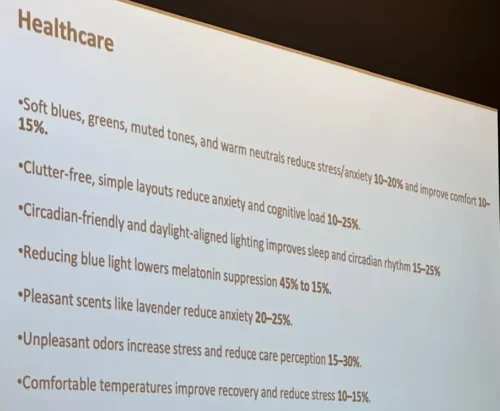
High ventilation rates can protect populations against infectious diseases, improve cognitive function, and increase creativity. The air we breathe is linked to disease, mental health, immune system health, and cardiovascular health.
These days, devices to measure air quality are easily accessible, and your guests and customers are sharing this data online. The time is coming when devices will be able to measure microbes in the air, detecting viruses like influenza, for example. Via AI, building systems can respond dynamically to the air quality requirements of each space in real time.
Your Brain on Architecture
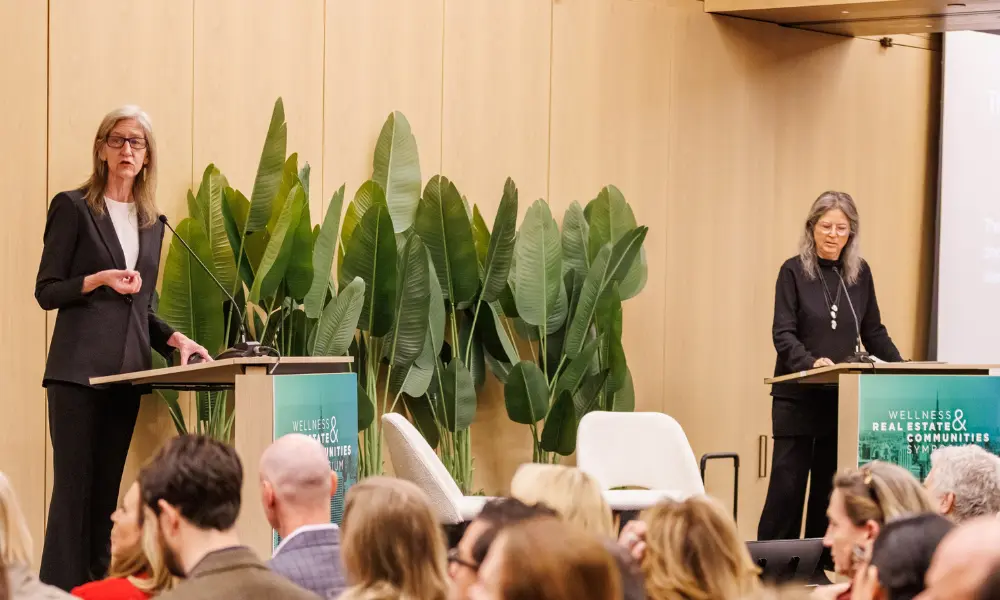
Susan Magsamen, Executive Director, International Arts + Mind Lab, Center for Applied Neuroaesthetics, Johns Hopkins University School of Medicine; Co-Author, Your Brain on Art; United States
Ivy Ross, Chief Design Officer for Consumer Devices, Google; Co-Author, Your Brain on Art; United States
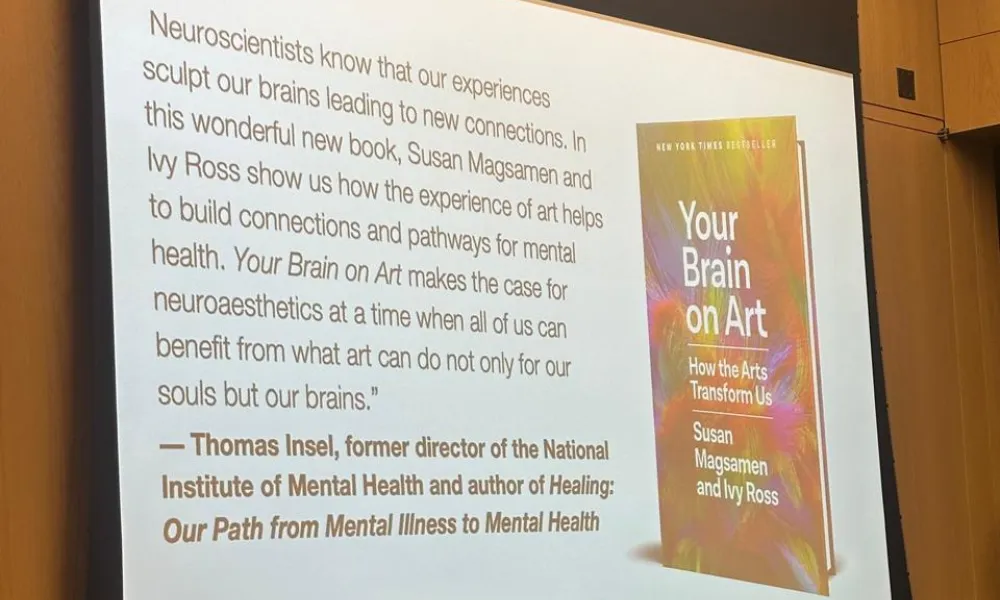
Their book, Your Brain on Art, validated and quantified what people experience when looking at art. Art is intertwined with health and wellness and has been part of human evolution throughout history. Creative expression is essential for connecting with each other. The immune system, respiratory system, and our psychological function are all influenced by art.
A space for Being – in Milan, Italy, people’s reactions were measured via wrist sensors as they moved through spaces filled with immersive art and sensory experiences. They were then shown an artistic impression of their experience, for over 50%, the room they reported they liked the best was not the room they felt the best in! What you think is not what you feel! Our bodies are constantly feeling.
Immersive Entertainment Spaces: Unlocking Wellness in the Built Environment
Deron Triff, Founder, Project VELUM, United States
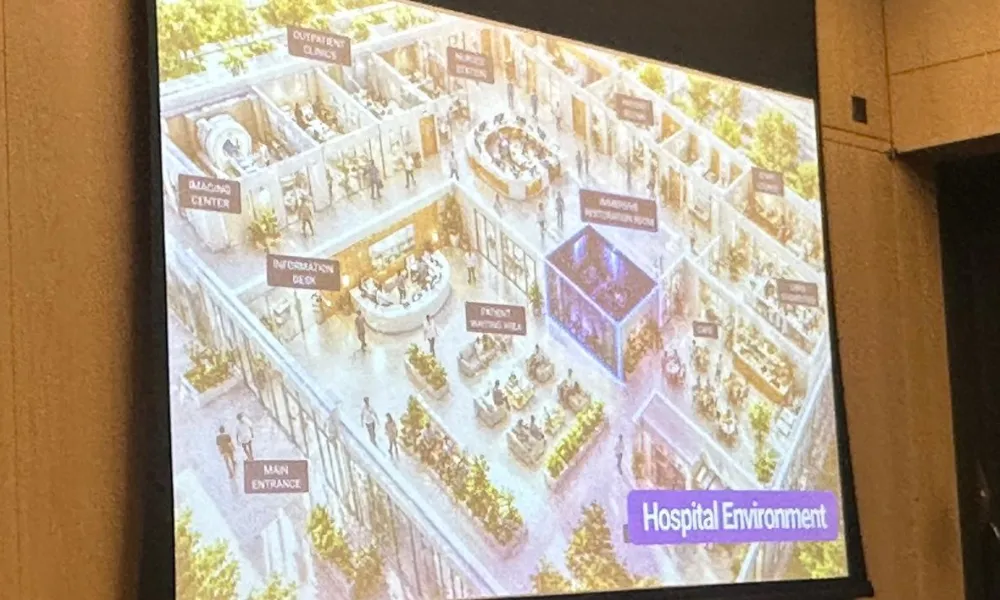
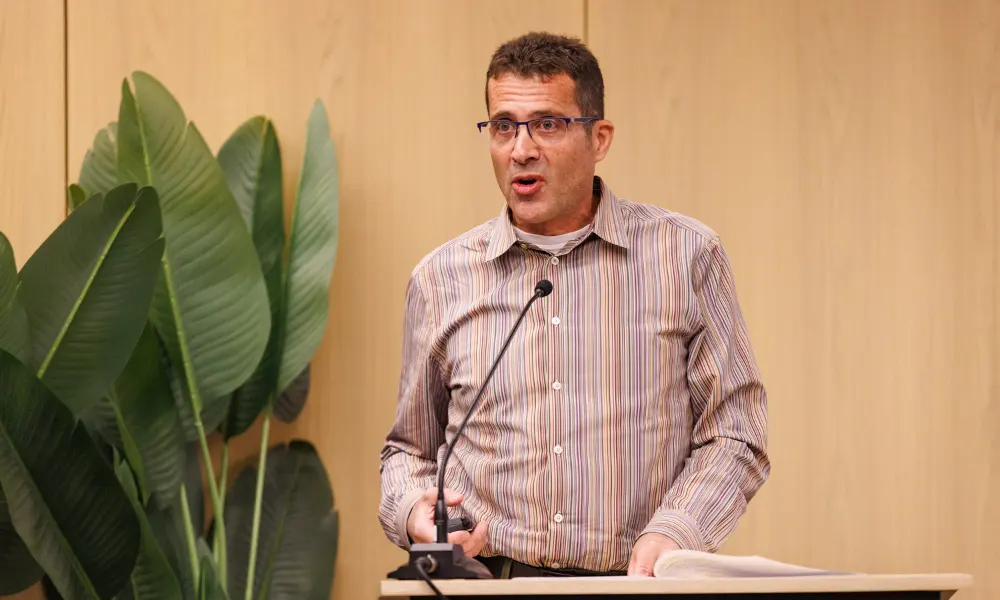
What we experience affects our nervous system constantly. After a transformative experience in Las Vegas (flying over Iceland, experiencing the landscapes, the wind, and the mist), Deron thought, could immersive storytelling experiences be designed to regulate stress and balance the nervous system? Project VELUM was born. Flying theaters, projection domes, the Sphere Las Vegas and Narrative night walks. Bridging science and story, these environments support regulation and resilience. Immersive restoration rooms bring the effective elements from these large-scale experiences and apply them to spaces within hospitals and workspaces. Even a short shift out of fight or flight can support better decision-making and calm the nervous system. These are digitally driven; therefore, content can be continually refreshed.
The Future of Living Well: Longevity Residences at Canyon Ranch Austin
Mark Rivers, CEO, Canyon Ranch
Jane Kitchen, Media & Trends Analyst, Global Wellness Summit, United Kingdom
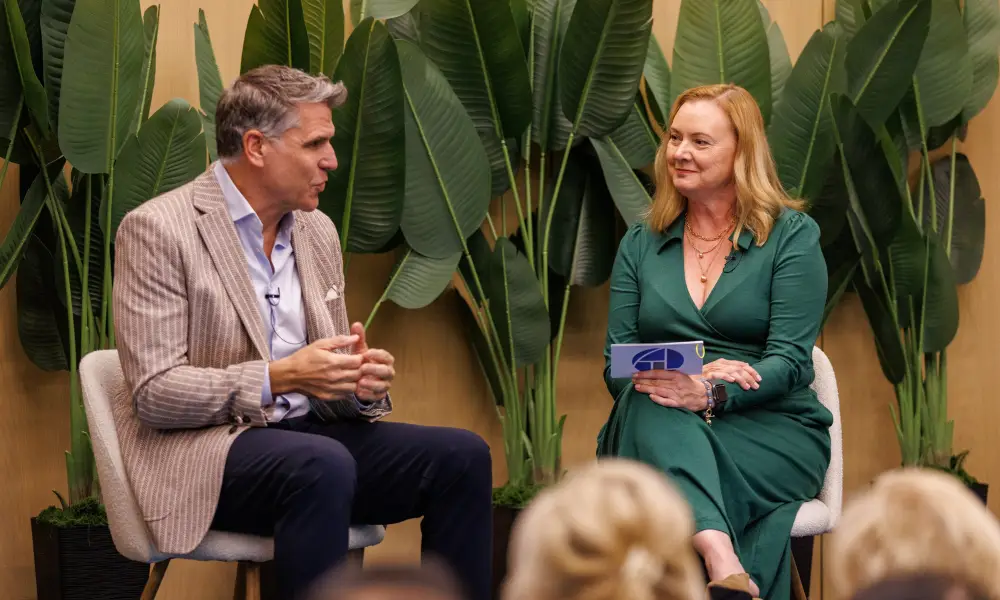
Set in over 600 acres with resort areas, a wellness residential community, and the largest spa in the state of Texas, Canyon Ranch’s Austin property is due to open later this year, in October 2026. Every home is designed with a sauna, cold plunge, and many other wellness and longevity tools and facilities. Mark proposes that this is probably the largest capital investment in wellness real estate in the US to date, at nearly a billion USD.
The existing Canyon Ranch properties in Arizona and Massachusetts already have wellness residences; however, the development in Austin takes it even further with 360-degree concierge wellness, longevity, and medical care. They include diagnostics, wearables, and a women’s wellness collective, catering to this historically underserved community.
The marriage of resort and hospitality with wellness allows guests and residents to enjoy their lifestyle while still focusing on their health and wellness. As a resort, it serves alcohol and has launched a new culinary program with a Michelin-starred chef. They are not a clinic and are not restricting people’s lifestyles.
The Optimization Economy and How Brands Are Financing the Future of Wellness
Lynette Harrison Brubaker, Founder & CEO, LHB Group, United States
Cassie Rosenthal, EVP & Chief Marketing Officer, Rosenthal Capital Group, United States
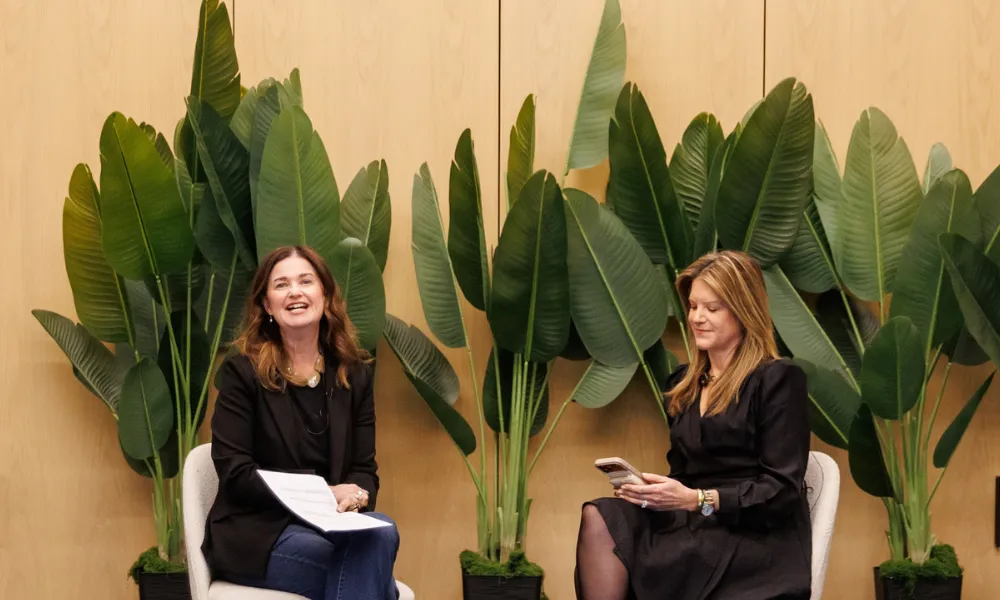
Affecting the economy currently is the impact of GLP-1 users; clothing brands are resizing, food brands are focusing on pure nutrients and smaller portion sizes, while restaurants are modifying ingredients and turning more to science. Skin-tightening products are also in demand as the population loses weight and deals with excess skin.
Next-generation functional beverages are replacing sugary sodas to improve gut health and promise performance-enhancing effects. Routines are being simplified as consumers look to streamline their habits, including supplements, skincare, and food consumption.
Businesses that will thrive are those focused on how to survive during a challenged economy and not take on too much investment or debt. Smart capital is invested into strategic hiring and marketing, whereas lines of credit are there for inventory, cash flow, retail rollouts, etc. When applying for investment, ensure accounting and financial strategy are accurately planned, and supplier relationships are robust. The strength of a brand in hard times is imperative!
The Longevity Ecosystem: Hospitality, Real Estate, and the Science of Living Well
Jane Kitchen, Media & Trends Analyst, Global Wellness Summit, United Kingdom,
Sam Nazarian, Founder & CEO, sbe Entertainment, United States
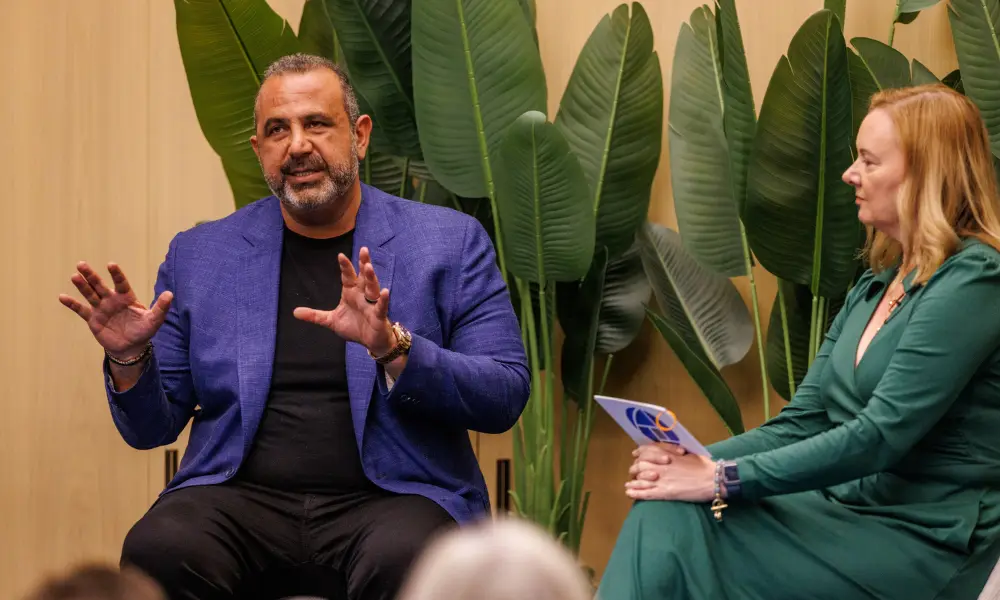
Sam Nazarian, a pioneer in lifestyle hotels and residential real estate developments, shared his vision for The Estate. After visiting many longevity-focused properties such as SHA Wellness, Lefay, and Lanserhof, the vision for The Estate was born. Focusing on human performance and meeting the guest where they are enables them to improve their lives and maintain this improvement once they leave. Partnering with Fountain Life, The Estate focuses on diagnostics at a medical level and brings together the best in hospitality, medical, longevity, and wellness in a luxury environment.
The Estate residences integrate technology seamlessly around the home, reimagining the ecosystems where people spend their time. Sam is currently working on a beachfront wellness project in El Salvador. Brands must now decide if wellness is truly important to them and deliver on that promise.
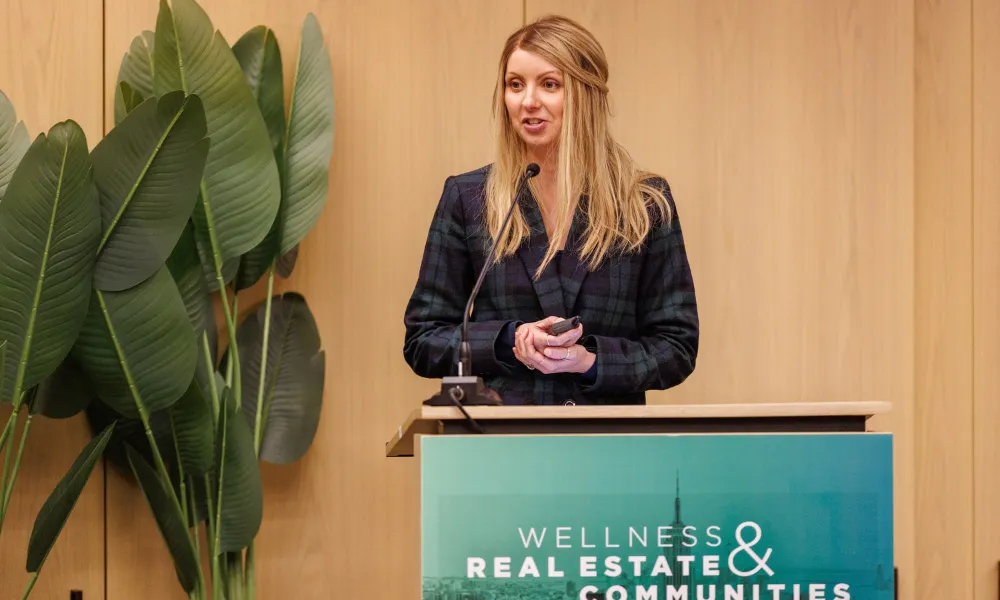
In Pursuit of Wellness: Creativity and Storytelling in the Built Environment
Gemma Jennings, Global Vice President of Programme Partnerships, BBC Studios, United States
Gemma shared how storytelling can bring to life something that people can’t easily see or quantify but need to believe in. The invisible value of cleaner air, extra time in the day, and reconnection.
The highly personalized journey of wellness at Body Holiday in St. Lucia is highlighted via the experience of a mother and daughter traveling together. The most compelling stories in this space aren’t about buildings, they’re about belonging.
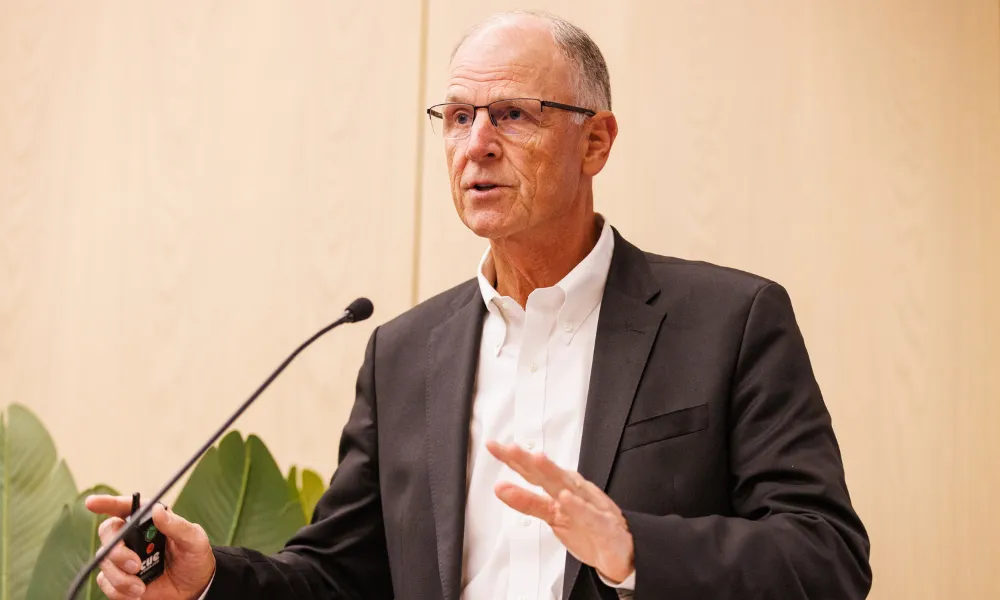
A Sustainable Development: Babcock Ranch and the Art of the Possible
Syd Kitson, Chairman & CEO, Kitson & Partners, United States
In Babcock Ranch, the development was designed in symbiosis with nature and to withstand a category five hurricane. When the hurricane came through, they didn’t lose power, and the development remained intact. With the power of AI, they can adapt the water levels in the wetlands in anticipation of floods.
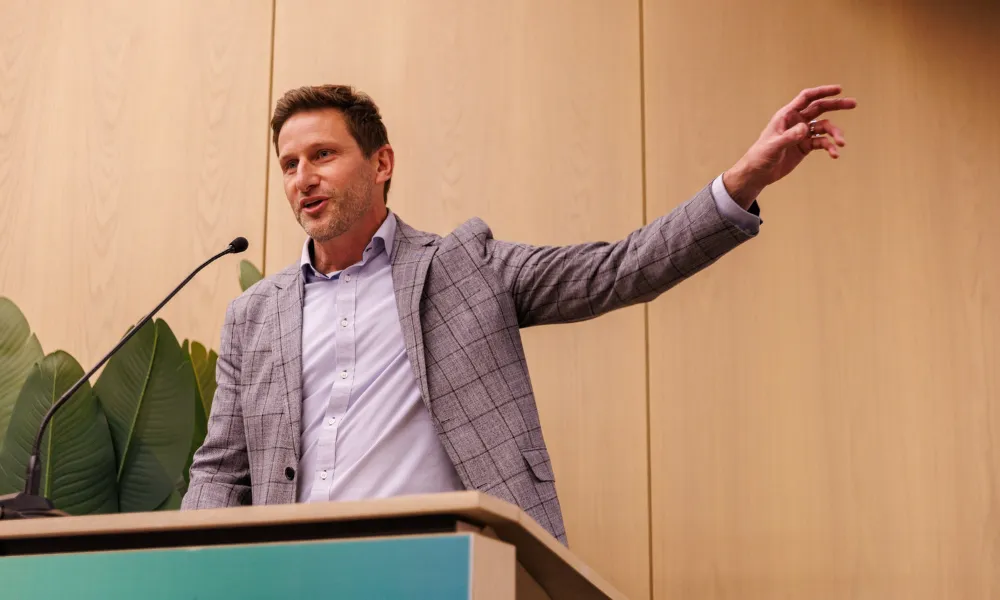
The Housing Innovation Challenge: Bringing New Solutions to Life
Dennis Steigerwalt, President, Housing Innovation Alliance, United States
Catering to the first-time home buyer and offering wellness-focused, low-cost residential opportunities, the Housing Innovation Alliance uses vacant lots in livable areas using sustainable design. Incorporating modular construction, the waste and carbon footprint are minimal.
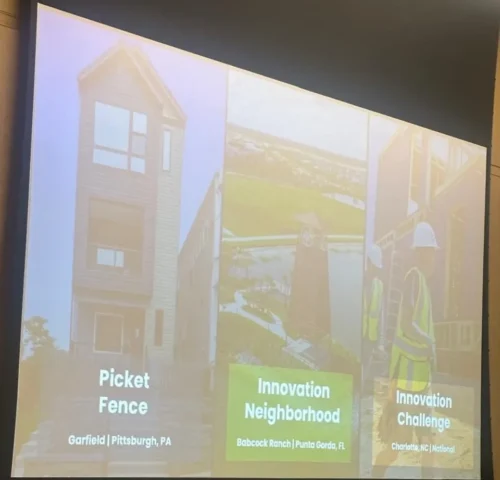
Taking the housing innovation challenge to universities, students and governments were brought on board with the concept; the winning teams were partnered with builders, and the homes they designed were built and sold.
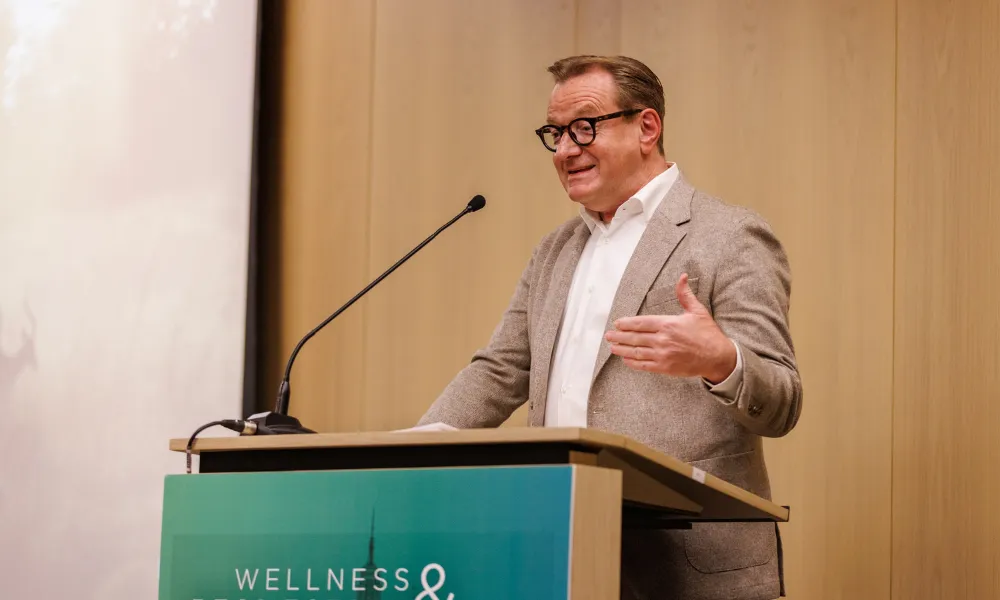
Membership, Magic, and Meaning: A New Era in Hospitality
Bernhard Bohnenberger, Co-Founder & CEO, Discover Collection, Thailand
Before staying at the Discover Collection, a potential guest must become a member. With wellness intrinsic to the design and a slow food concept, they endeavor to make all of their properties feel like home.
Once at the resort, everything is included, inviting guests to forget about commerce, pricing of individual items, and tipping, which is discouraged during the stay.
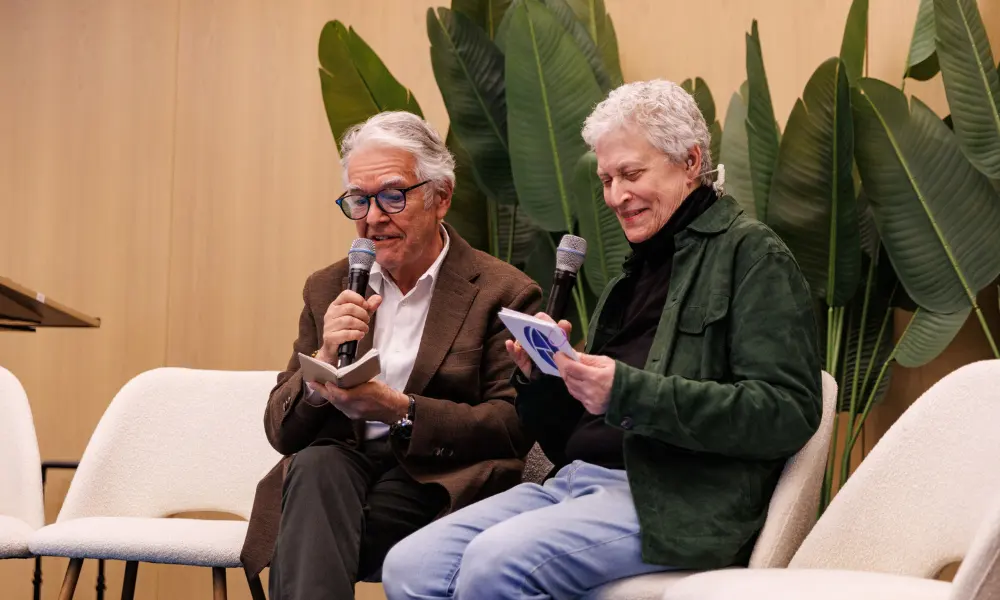
Industry Convergence Over the Next 5 Years with Wellbeing in the Driver’s Seat
Nancy Davis, Chief Creative Officer & Executive Director, Global Wellness Summit and Global Wellness Institute, United States
Neil Jacobs, Founder, Wild Origins, United States
Neil spoke of the rising costs of hospitality development and the fact that the only way it makes sense to develop is with a residential component.
The first Six Senses Club recently opened in London at the property Neil took part in opening. Memberships are selling fast and cost 6,000 pounds, with a 4,000-pound joining fee. This social wellness club works well in an urban environment and offers guests inclusive wellness programming.
Neil works with Potato Head, a beach club brand expanding to new locations, for example, a community-based project built within a Japanese village where rooms, restaurants, and wellness spaces are scattered around the village.
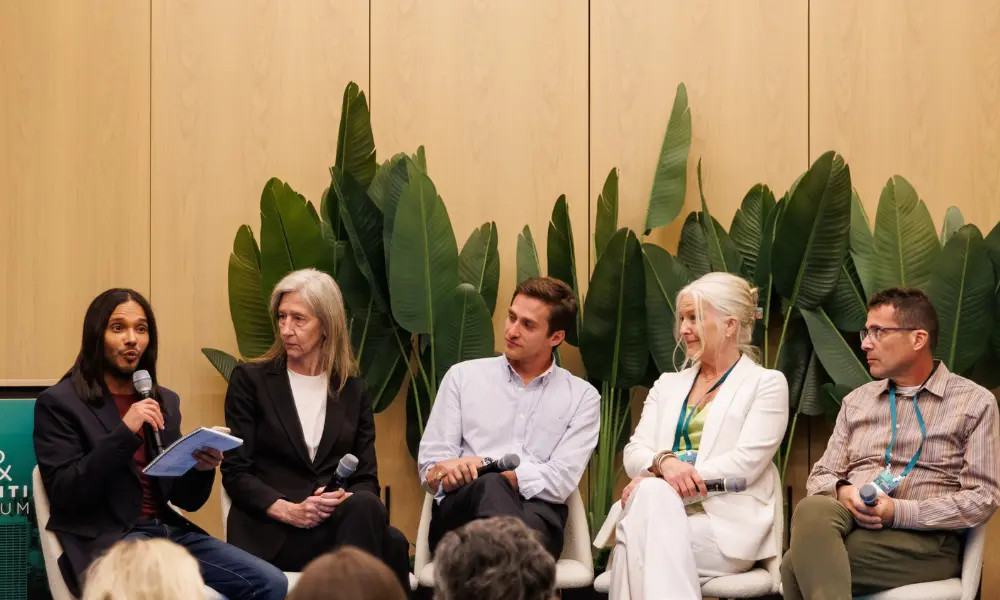
The Living Canvas: How Neuroarts and Neurowellness are Redefining Longevity Design
Susan Magsamen, Executive Director, International Arts + Mind Lab, Center for Applied Neuroaesthetics, Johns Hopkins University School of Medicine, Co-Author, Your Brain on Art; United States
Susan highlighted that we’re talking about what our bodies already know, that the arts move us in a way that nothing else can. Creating a design brief by considering the outcomes would shift design to what we want the guest to feel.
Freddie Moross, Founder & CEO, Myndstream, United Kingdom
Freddie spoke about the minimal budget allocated to music and how this can greatly influence how guests feel. Myndstream also works with hospitals studying how music can aid in recovery.
Heidi Moon, VP Marketing & Communications, Global Wellness Summit and Global Wellness Institute, United States
Heidi outlined how wellness is now something we want embedded into all areas of our lives. The built environment must be ambient and must be conducive to calming the nervous system; this also increases the value of your proposition and the return on investment.
Deron Triff, Founder, Project VELUM, United States
Deron proposed that sensory storytelling can be delivered in a very small space and can positively influence and help regulate their guest’s nervous systems.
Ari Peralta, Innovation Director, COCUN Wellness Research Institute, United States
Ari explained how neuroscience research is no longer confined to the lab; it happens in real estate settings, at work, at home, and in public spaces.
A Nugget of an Idea: Restoration and Giving Back
Katrine Formby, Vice President, Sable Investments, United States
Nancy Davis, Chief Creative Officer & Executive Director, Global Wellness Summit and Global Wellness Institute, United States
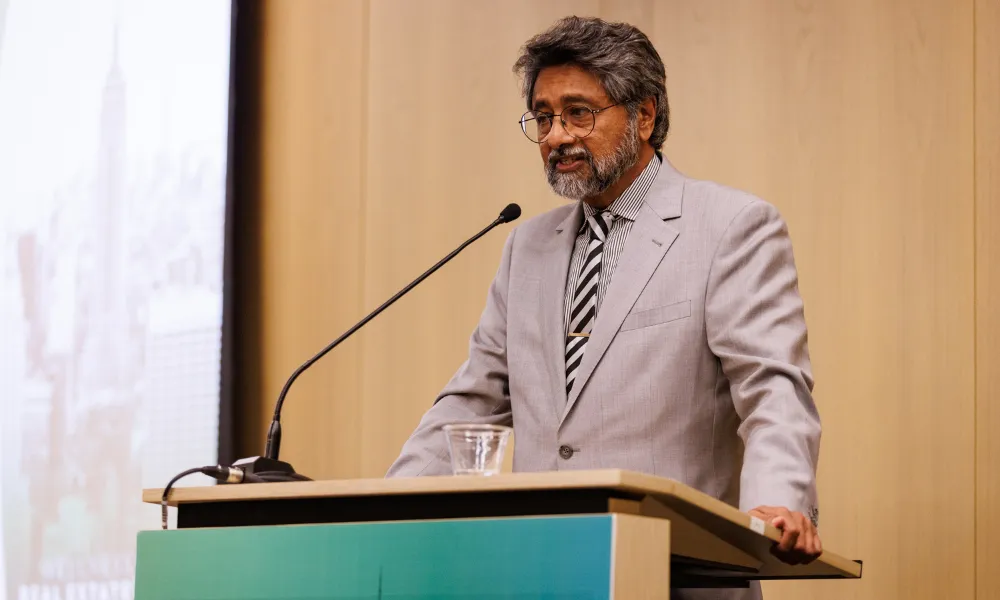
Biophilic Design and the Seductive Allure of Neuroscience
Anjan Chatterjee, MD, FAAN, Professor of Neurology, Psychology & Architecture; Founding Director of the Penn Center for Neuroaesthetics; United States
Anjan invited the audience to think like a scientist. Three fundamental concepts come together in the built environment: coherence, fascination, and hominess. Anjan cautioned the audience against believing celebrity-led science with storytelling.
The Scents of Place
Moderator:
Robin Dolch, CEO, Hundred Stories, United States
Panelists:
Marco Beltrame, Investment Manager, Bizzi & Partners, The Greenwich by Rafael Viñoly
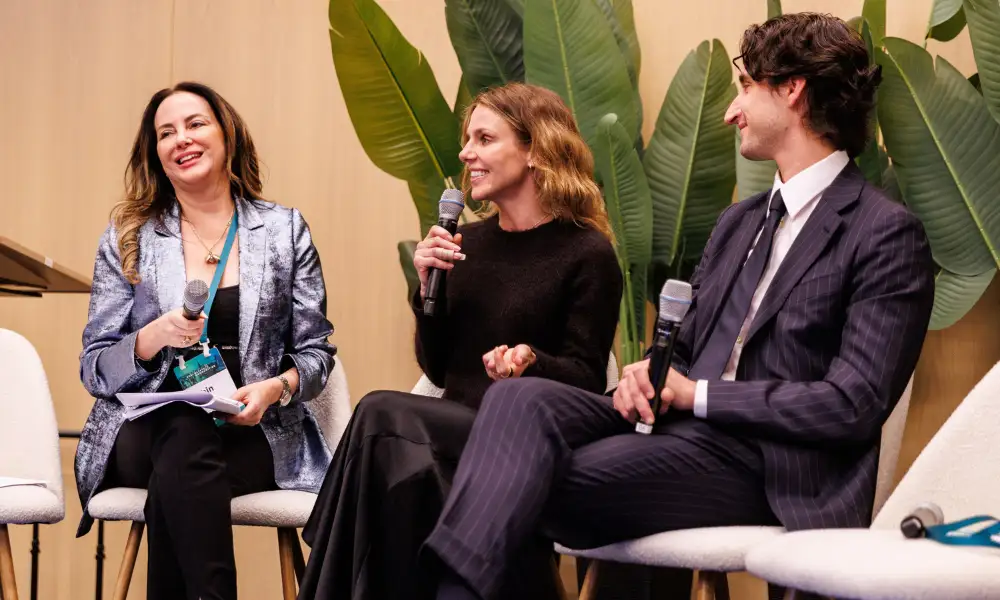
Marco explained that in The Greenwich, scent is integral to the experience, rather than an afterthought.
Michelle Gagnon, Founder & Nose, Bio Alchemy Olfactive, United States
Michelle clarified that scent is directly connected to memory and emotion. How do you want people to feel in your space? Colors, textures, and materials can all relate to aromas.
Designing Transformation: Where Immersive Experience Meets Wellness Real Estate
Amy McDonald, Principal & CEO, Under A Tree, United States
Martin Boudreau, President & Founder, 44 Productions, Canada
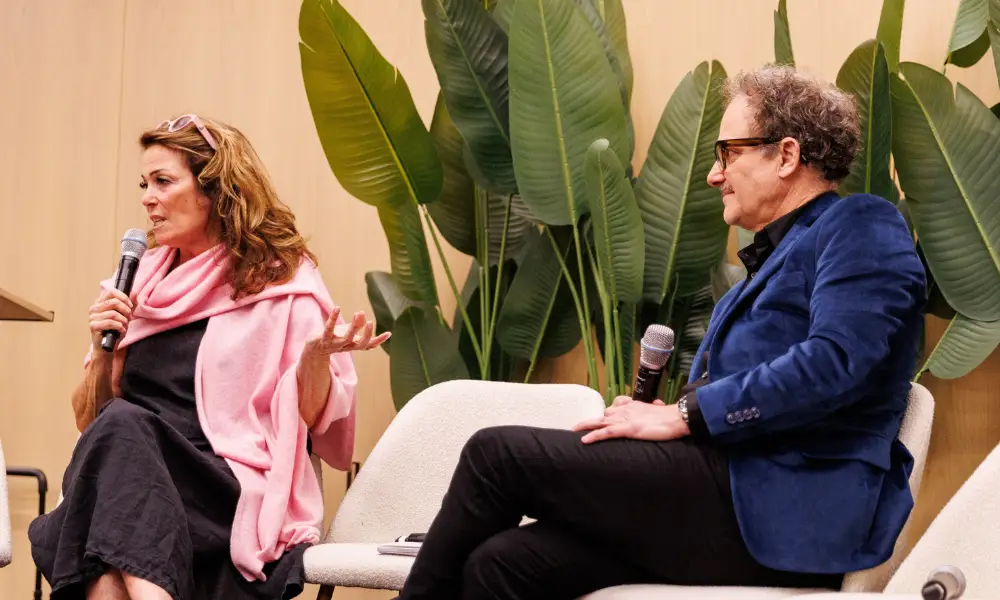
Amy spoke about transformation going beyond just experience to evoke wonder and awe.
Martin, who worked on Cirque Du Soleil’s Joya show, one of the most successful dinner shows the brand has ever launched. Joya achieved incredible financial results, and a new immersive show was developed for Nuevo Vallarta, Mexico.
In Cap Cana, the Dominican Republic, Martin was brought in to develop not only the entertainment but also the experience around the resort, improving the guest experience.
Special Announcement: The Design Challenge
Nancy Davis, Chief Creative Officer & Executive Director, Global Wellness Summit and Global Wellness Institute, United States
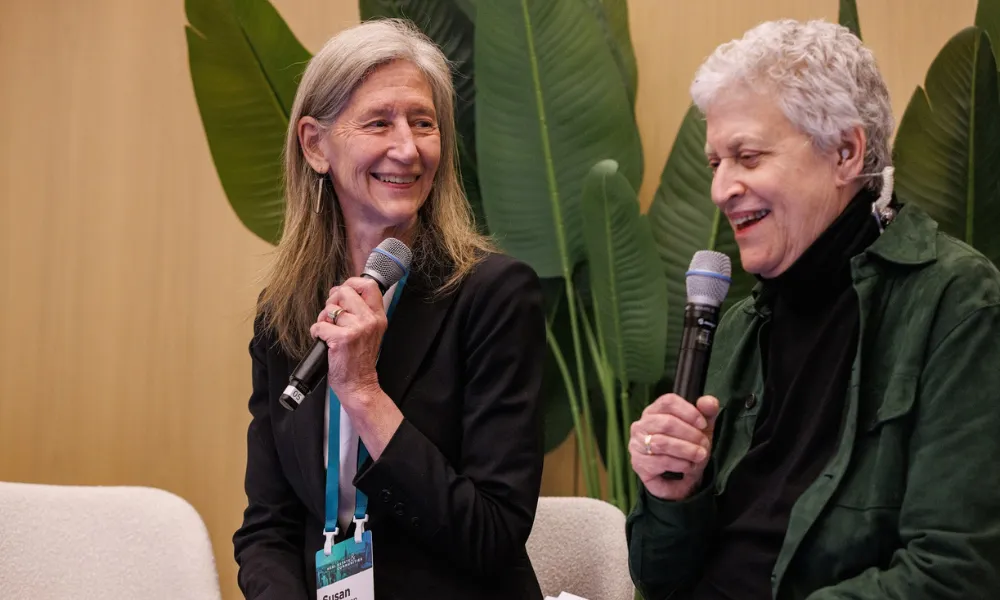
Susan Magsamen, Executive Director, International Arts + Mind Lab, Center for Applied Neuroaesthetics, Johns Hopkins University School of Medicine; Co-Author, Your Brain on Art; United States
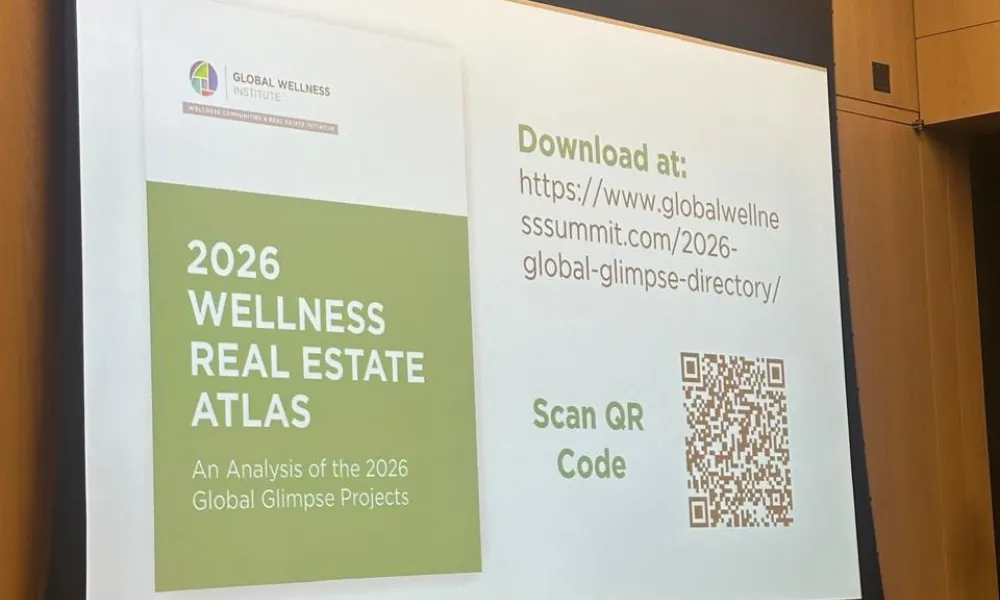
The wellness real estate atlas used AI to identify how each property on the global glimpse ranks across a variety of criteria.
www.globalwellnessinstitute.org
By Sara Jones, Editor