1. Women Get Their Own Lane in Longevity
By Beth McGroarty
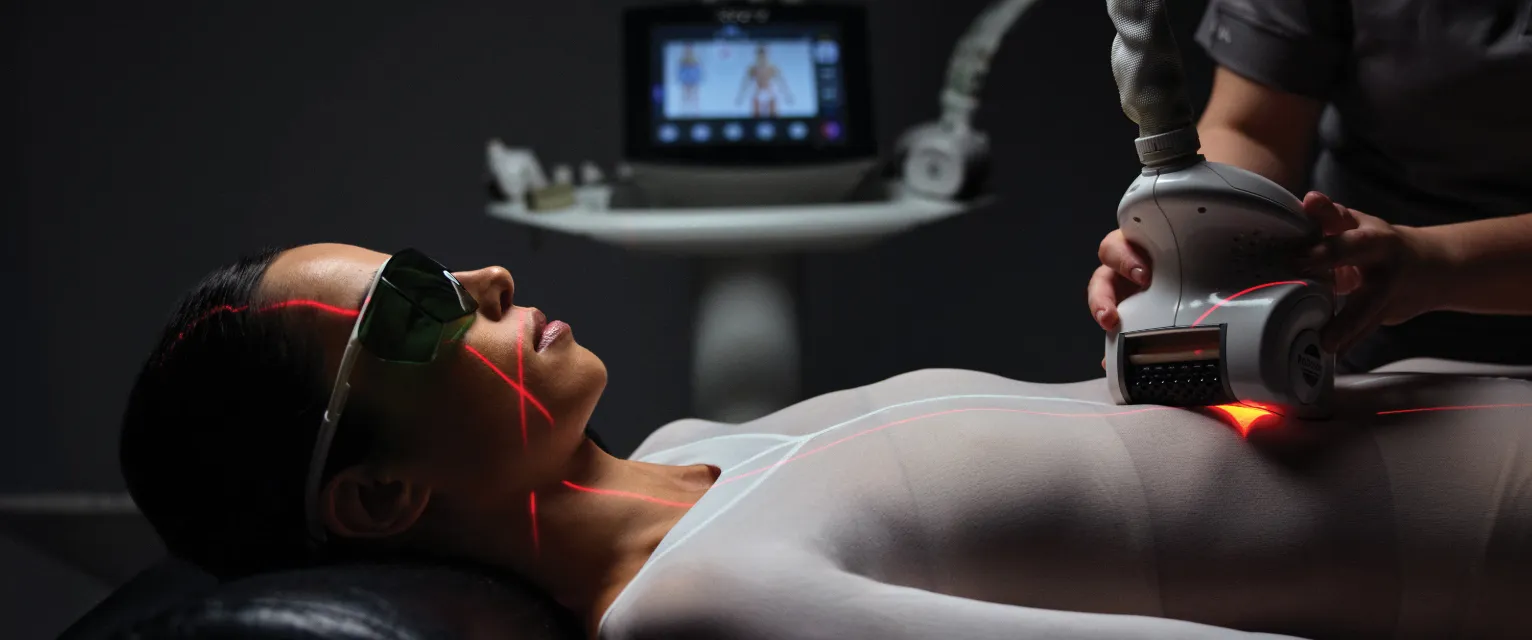
The longevity industry has long been built by and for men. From biohacking leaders to clinical research protocols, the dominant model of extending life has centered on male biology, extrapolating its findings onto women. In 2026, that imbalance is decisively challenged.
The science is clear: women age differently. The ovary functions as a powerful regulatory organ influencing systemic aging, and its decline triggers metabolic, cognitive, and cardiovascular shifts that traditional longevity protocols have failed to address. The future of longevity pivots toward women’s healthspan – not just managing menopause, but proactively addressing ovarian aging, hormonal intelligence, and life-stage-specific diagnostics. Spa and wellness destinations are now launching specialized longevity programs tailored to the female physiological journey. We are witnessing the emergence of targeted biomarker panels, cycle-synced training, specialized nutrition, cognitive resilience support, and hormone optimization designed specifically for women across their lifespan.
We are seeing a rise in ‘menopause retreats’ and ‘hormonal harmony’ immersions that provide a safe space for education, clinical support, and strength training designed to combat sarcopenia. In the luxury market, this means offering medical-wellness hybrids where guests consult with endocrinologists alongside holistic practitioners. By acknowledging that women’s bodies require a different set of longevity tools, the industry is correcting a long-standing gender gap, empowering women to navigate their aging process with vitality, agency, and science-backed strategies.

2. The Over-Optimization Backlash
By Jessica Smith
For years, wellness has been measured in metrics: sleep scores, VO₂ max, biological age clocks, HRV dashboards, and AI-generated self-improvement strategies. But in 2026, the market experiences a powerful cultural correction. This trend signals a rejection of relentless self-quantification. Consumers are exhausted by the pressure to perfect themselves. Wellness is shifting from performance to presence, from measurement to meaning.
This does not mean science is disappearing. Instead, regulation replaces results as the goal. The emphasis moves toward nervous system balance, emotional release, sensory immersion, and embodied care. Wellness experiences prioritize how we feel – alive, connected, expressive – over how we rank.
Spas and retreats are responding with more human-centered programming: touch-forward therapies, creative rituals, community gatherings, and expressive movement. The narrative shifts from ‘becoming better’ to ‘becoming whole.’ For hospitality and spa operators, this trend calls for recalibration. Data remains relevant, but it must be integrated with story, emotion, and shared experience. Guests no longer want to feel like optimization projects. They want to feel human again.
3. The Rise of Neurowellness
By Heidi Moon
In 2026, the nervous system becomes the new frontier of wellness. Modern life, defined by constant digital stimulation, climate anxiety, political instability, and information overload, keeps our bodies locked in chronic fight-or-flight mode. The result is widespread dysregulation: hormonal disruption, poor sleep, inflammation, burnout, and accelerated aging.
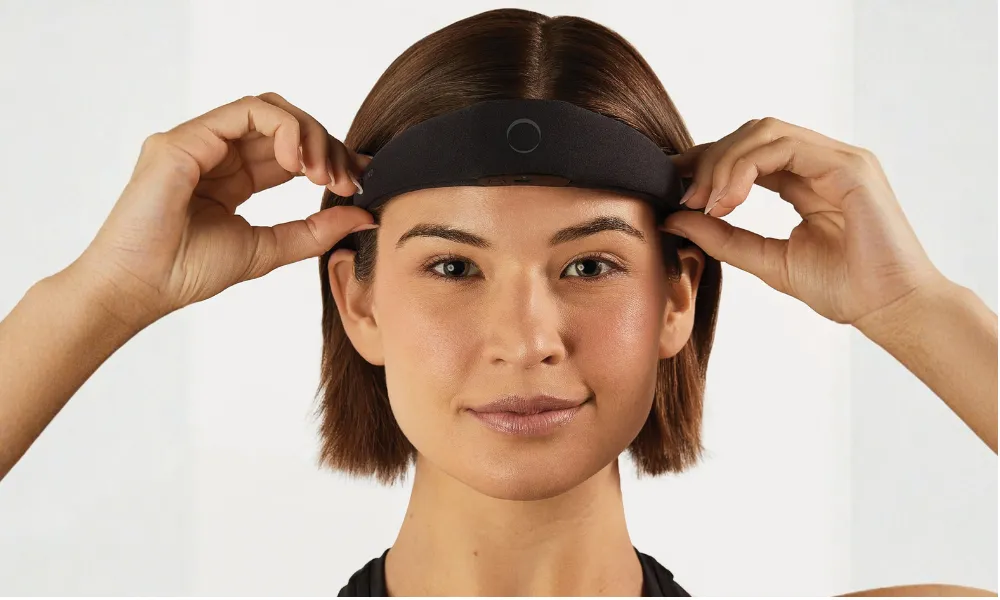
Neurowellness moves beyond generic ‘stress reduction’ to focus on active nervous system regulation. The emphasis is on recovery before breakdown, training the body to shift efficiently between activation and restoration. We are seeing a surge in consumer neurotechnology, from brain-sensing headbands to vagus nerve stimulation devices. But equally powerful are low-tech interventions: somatic breathwork, cold exposure, sound immersion, trauma-informed bodywork, and sensory design within hospitality spaces.
Spas and wellness destinations are integrating brain health diagnostics, guided neuroplasticity programs, and multi-sensory relaxation environments designed to recalibrate the autonomic nervous system. The concept of ‘mental wellness’ evolves into measurable resilience.
4. Fragrance Layering
By Olivia Houghton
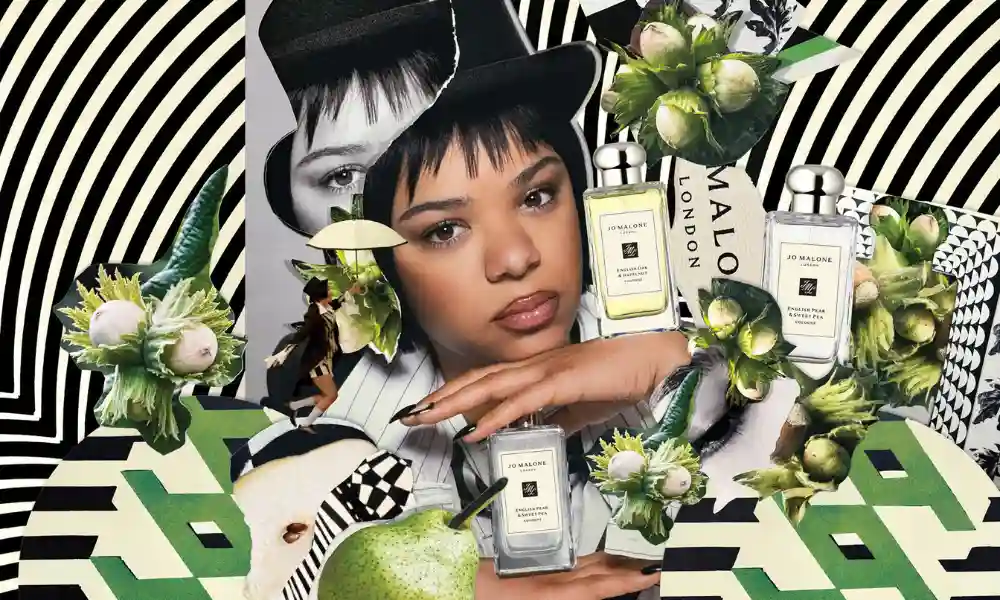
Long dominated by luxury branding and single-signature scents, the category is shifting toward personalization and emotional expression through fragrance layering, creating a new language of identity. Consumers are blending multiple scents to create bespoke olfactory signatures, using fragrance as mood modulation, self-expression, and even social signaling. This reflects a broader cultural desire for customization and emotional authenticity.
Scent layering is also tied to neuroscience. Certain notes influence memory, relaxation, alertness, or sensuality. Brands are increasingly framing fragrance not just as beauty, but as functional wellness. For spas and resorts, this creates an immersive opportunity: personalized scent rituals at check-in, sleep-enhancing room mists, or scent bars allowing guests to craft their own aromatic identity. Fragrance evolves from retail product to experiential touchpoint.

5. Ready Is the New Well
By Cecelia Girr and Skyler Hubler
Climate volatility has shifted from a future threat to a lived reality. Wildfires, floods, heatwaves, and climate-driven anxiety are redefining wellness priorities. In 2026, preparedness becomes preventative care. This trend reframes disaster readiness as part of everyday resilience. Just as fitness plans became standard, disaster plans now enter mainstream wellness culture.
The movement operates on three levels:
• Mental resilience: addressing eco-anxiety through mindfulness and psychological preparedness.
• Physical readiness: climate-adaptive architecture, wearables tracking extreme weather impacts, hydration, and heat protocols.
• Community interdependence: local networks trained in evacuation and home protection.
Wellness real estate integrates fire-resistant landscaping, water conservation systems, and backup infrastructure. Preventative wellness now includes surviving systemic stressors. This is not fear-based; it is empowerment-based. In an unstable world, peace of mind comes from readiness.

6. Skin Longevity Redefines Beauty
By Claire McCormack
Rather than masking age, skin longevity shifts the focus to regenerative science, supporting cellular function, collagen health, microbiome balance, and inflammation control. Diagnostics-driven skincare, biotech-derived actives, and regenerative treatments are reshaping aesthetics. This represents a move away from superficial, quick-fix ‘miracle creams’ toward regenerative medicine that addresses the biological drivers of aging at a cellular level. We are now looking at the skin through the lens of ‘biological durability,’ focusing on DNA repair, mitochondrial health, and the maintenance of the skin’s extracellular matrix.
Consumers increasingly understand that skin is an organ, deeply connected to systemic health. Hormonal shifts, stress, sleep, and environmental toxins all impact skin aging. As a result, beauty merges with longevity medicine.
Spas and aesthetic clinics are offering advanced imaging, skin-age testing, and personalized regenerative protocols that align with broader health goals. The emphasis moves from cosmetic correction to biological support.

7. The Festivalization of Wellness
By Megan Whitby
Beyond quiet retreats and meditation apps, a wave of sober dance raves, multi-day immersive wellness festivals that combine HIIT workouts with live DJs, light shows, ecstatic gatherings, and communal hydrotherapy are redefining collective healing. This is not superficial entertainment, it is catharsis, ritual, and emotional release. Music, movement, breathwork, and community converge in experiences designed to foster connection and joy – a direct response to the global loneliness epidemic and the desire for authentic human connection. Wellness reclaims celebration as medicine!
For hospitality brands, this opens experiential programming opportunities that blend nightlife energy with health consciousness. The movement particularly resonates with younger generations seeking connection in a post-digital world. Wellness is no longer always serene. Sometimes it is loud, sweaty, communal – and profoundly transformative.
8. Women & Sports: The Revolution Continues
By Amy Eisinger
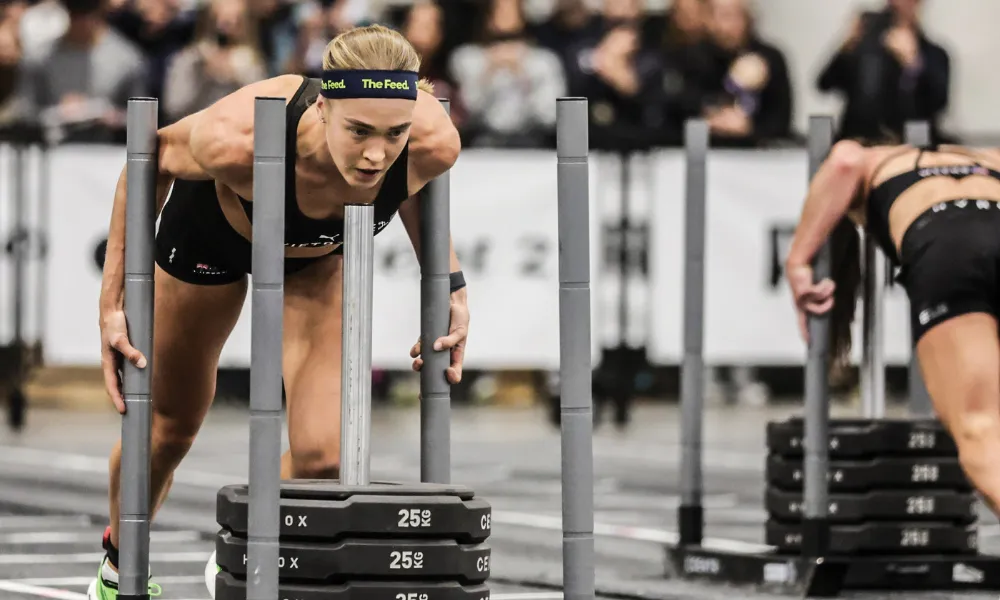
The explosion of interest in women’s sports, fueled by the professionalization of leagues and a dramatic surge in viewership, is fundamentally changing how women approach fitness and recovery. As media coverage, sponsorship, and cultural visibility expand, more women are identifying as athletes at every life stage. The narrative is shifting away from aesthetics toward strength, power, and functional performance.
Women are lifting heavier, training harder, and increasingly demanding access to the same level of sports-grade recovery once reserved for elite male professionals. This shift is transforming the wellness landscape, particularly within the spa and recovery sectors, where female guests are seeking sauna and contrast therapy, percussion therapy, and specialized sports massage designed for muscle repair and performance optimization rather than simple relaxation.
Fitness environments are also evolving beyond historically male-centric training models. Programs now increasingly incorporate cycle-aware training, pelvic health, postpartum recovery, and hormonal strength strategies, reflecting a more sophisticated understanding of female physiology. At the same time, growing investment in women’s sports infrastructure is encouraging participation across generations and reframing athleticism as a lifelong pursuit rather than a phase of youth.
Another signal of this shift is the rising demand among women for advanced performance diagnostics. VO₂ max testing, gait analysis, and metabolic tracking, once used primarily by professional athletes, are becoming increasingly common among female wellness consumers.
Ultimately, this movement represents a powerful reframing of women’s wellness. The focus is shifting from what a woman’s body looks like to what it can do. In response, the wellness industry is evolving to support this strength-focused female consumer with programs emphasizing performance nutrition, injury prevention, and the mental resilience required for sustained athletic performance.
9. Tackling Microplastics as a Human Health Issue
By Gerry Bodeker & Trent Munday
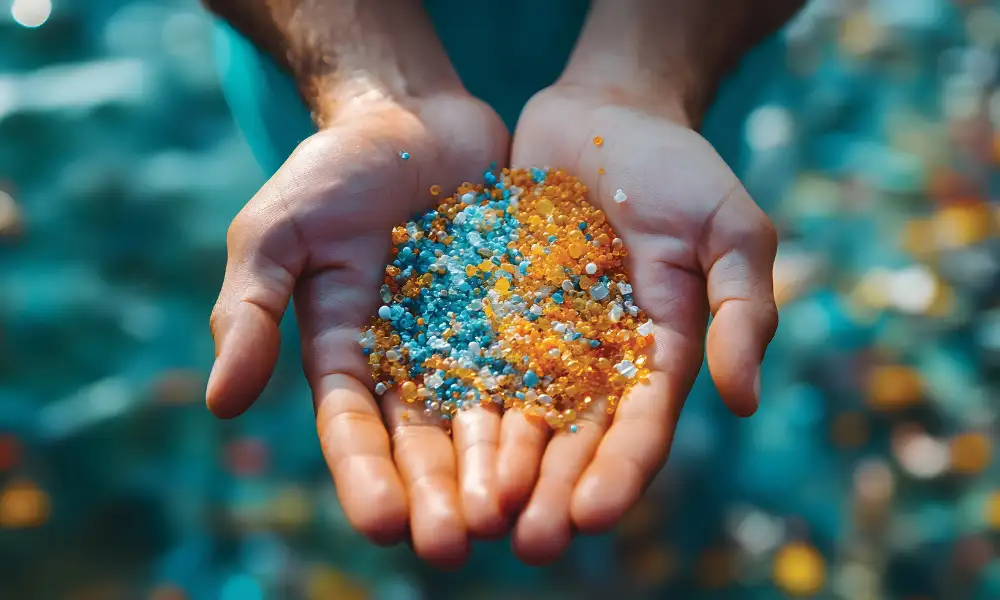
For years, microplastics were viewed primarily as an environmental ‘ocean’ problem. Now, they are being recognized as a critical human health crisis. As research confirms the presence of microplastics in our blood, organs, and even the placenta, the wellness industry is stepping up to lead the charge in detoxification and mitigation.
Research increasingly links microplastic exposure to inflammation, endocrine disruption, cardiovascular strain, and potential cognitive impact. The wellness industry responds with detox innovations, filtration technologies, material transparency, and advocacy. Food systems, architecture, textiles, and personal care brands are reexamining material sourcing. Consumers demand reduced exposure and body-supportive interventions.
Interestingly, the most effective tools against microplastic accumulation are traditional wellness pillars: intense sweating (via saunas), high-fiber diets to aid elimination, and deep sleep to support the glymphatic system. Spas are now marketing ‘plastic-detox’ packages that combine these modalities with lymphatic drainage and specialized chelation therapies.
10. Longevity Residences
By Jane Kitchen
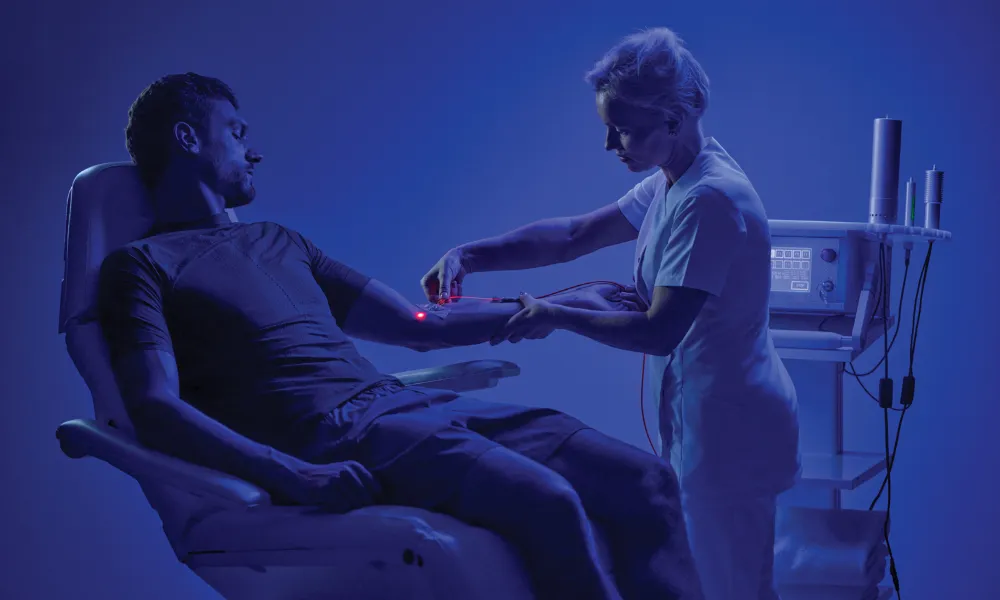
The rise of longevity residences represents the next evolution of wellness real estate, where the home itself becomes a sophisticated medical-grade wellness tool. We are moving past basic ‘green building’ standards toward homes that are fully integrated with AI-driven health monitoring, biohacking labs, and preventive medicine technologies. Longevity residences integrate advanced diagnostics, regenerative therapies, cryotherapy, neurofeedback, IV lounges, and predictive health monitoring directly into residential communities. Wellness shifts from destination to daily life.
Currently concentrated in luxury markets, these developments function as laboratories for preventative living. Modular, plug-and-play wellness amenities allow residents access to medical-grade tools without leaving home. Over time, as diagnostics become more affordable, the model may democratize, just as spas once did. The opportunity lies in integrating longevity infrastructure at the community scale. Real estate becomes one of the most powerful drivers of population health. Where we live shapes how long, and how well, we live.
www.globalwellnessinstitute.org
Summary by Sara Jones, Editor