


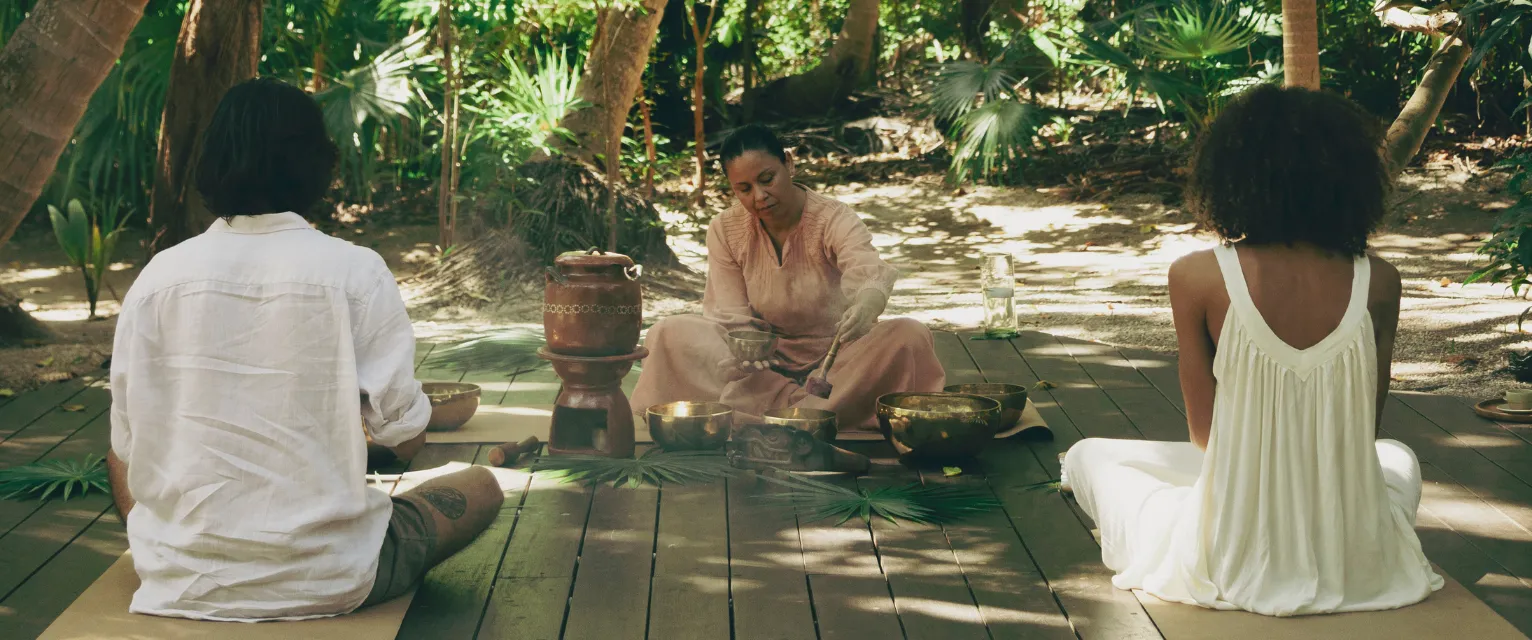
Cacao in Mayan History and Spirituality
Cacao has deep roots in the Mayan civilization, where it was cultivated and revered for over three thousand years. Considered a divine gift, cacao was associated with the god Ek Chuah, the god of agriculture and fertility. In mythology, it was believed that the gods discovered the cacao tree on a sacred mountain and taught the Mayans how to cultivate and consume it as part of spiritual rituals. Beyond its symbolic value, cacao, derived from the Theobroma cacao tree, also had practical uses: its seeds were used as a currency, and its properties were exploited in medicinal and cosmetic contexts. The elites consumed it in religious ceremonies, where it was prepared as a thick, unsweetened drink mixed with spices or chili. This drink was considered a ‘food of the gods,’ reserved for sacred occasions and moments of spiritual connection.
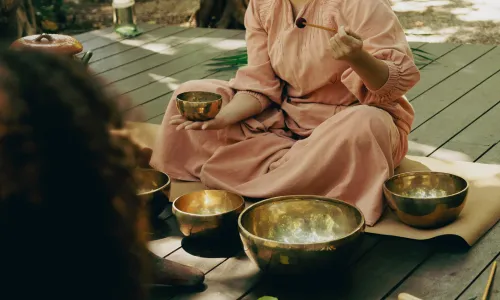 Cacao not only represented abundance and prosperity, but also a link between the earthly and spiritual worlds. Its ceremonial use sought to open the heart, facilitate introspection, and strengthen the connection with ancestors and nature. In its purest form, the cacao contains theobromine, anandamide, and phenylethylamine, compounds that promote emotional openness, mental clarity, and physical well-being.
The Mayan Cacao Ritual at Maroma is not a recreational activity, but a living practice that honors centuries of indigenous wisdom. In an environment that respects tradition and nature, this ceremony offers a meaningful pause to reconnect with the basics. By drinking ceremonial cacao, participants immerse themselves in a sensory experience and align themselves with a spiritual heritage that continues to resonate in the present. It is a reminder that deep well-being begins with intention, presence, and respect for the sacred.
By Maroma, a Belmond Hotel
www.belmond.com

Integrating Ancestral Healing into Spa Experiences
Throughout history, ancestral healing ceremonies and rituals have been passed down from generation to generation, incorporating sacred plants and natural elements, such as ayahuasca, rapé, and kambó, as well as energetic practices. Today, wellness centers and retreats around the world offer transformative experiences, combining these ancestral practices with unique, carefully designed environments to reconnect with nature, rediscover the essence of well-being, and experience moments that transcend daily life.
In the modern spa environment, ancestral healing is integrated safely and respectfully, prioritizing practices that can be adapted to contemporary wellness settings. These include temazcal, steam baths with medicinal herbs, cacao ceremonies, and sound circles. Complementary practices such as music therapy, art therapy, kundalini yoga, bio-dancing, family constellations, or biodecoding can also be incorporated to enrich holistic wellness experiences.
For a spa director, offering these experiences responds to the growing demand for services with meaning and purpose. It’s not just about adding treatments; it’s about designing authentic experiences to connect with their roots. Some experiences that can be incorporated into spa offerings are:
• Ancestral ceremonies and rituals: temazcal, herbal steam baths, fire rituals, cacao ceremonies, sound circles, guided meditations, and conscious breathing to create experiences of purification and connection.
• Complementary energy therapies: Reiki, crystal healing, acupressure, and other energy modalities under protocols adapted to the spa environment.
Effectively integrate ancestral practices into your spa by considering:
• Sacred space design: areas designed with natural elements, cultural symbolism, and a ceremonial atmosphere to enhance the transformative experience.
• Integrated wellness programs: 3-7 day packages combining ancestral practices with modern therapies, mindful nutrition, and outdoor activities for a holistic approach.
• Cultural authenticity and narrative: respectful integration of stories, symbols, and elements inspired by indigenous and local traditions to strengthen the authenticity of the experience.
• Specialized training and ethical protocols: comprehensive team training and establishment of safety frameworks to ensure respectful delivery and guests’ well-being.
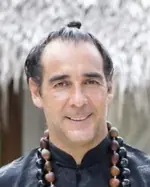 Integrating ancestral healing is more than a trend: it represents a strategic opportunity to attract new market segments, build loyalty among current guests, and align with a global movement that fuses ancestral wisdom with contemporary well-being.
By Flavio Acuña
Wellness Consultant, CEO of Spa Natural Center
www.spanaturalcenter.com

Temazcal in Spas: Tradition, Standards, and Health
The temazcal is an ancestral medicine that requires respect, preparation, and order; it’s not a passing trend or a form of entertainment. When performed correctly, it is a sacred ceremony guided by certified leaders who ensure safety, authenticity, and connection to indigenous tradition. In recent years, wellness tourism has grown rapidly, bringing with it an increase in ‘spiritual’ and ‘ancestral’ experiences. This growth makes it all the more essential to distinguish authentic practices, conducted with proper training and protocols, from improvised ceremonies that can pose health risks and diminish cultural identity.
To address this, the EC1377 Competency Standard was created to regulate the operation of temazcales with xictli (space for stones in Nahuatl) in the center, in Mexico and in countries with international agreements. It sets out guidelines that ensure both the safety and authenticity of temazcal ceremonies while honoring indigenous traditions. The standard establishes clear protocols for preparation, operation, and closure; it requires guides to have knowledge of first aid and an ancestral worldview; and guarantees the preservation of cultural and spiritual values. Certification is not a formality; it is a commitment to health and tradition.
Complying with this standard helps businesses avoid health risks such as dehydration or heatstroke, ensures proper safety and first aid measures, provides legal protection in the event of accidents, builds trust, and strengthens the connection to a living ancestral tradition. With more than five thousand years of history, the temazcal is a comprehensive healing ceremony that reflects the indigenous worldview of Mexico.
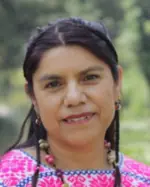 The temazcal is a sacred ceremony that honors our ancestors. The EC1377 standard ensures respect, order, and safety. Those who become certified serve as guardians of a tradition that must be preserved with dignity.
By Xochitl Florencia
Specialist in Traditional Mexican Medicine, contributor to the creation of Competency Standard EC1377
www.corazondelmonte.com


