Global Wellness Summit Day 1
Global Wellness Summit Day 3
Music and Medicine: A Powerful Partnership
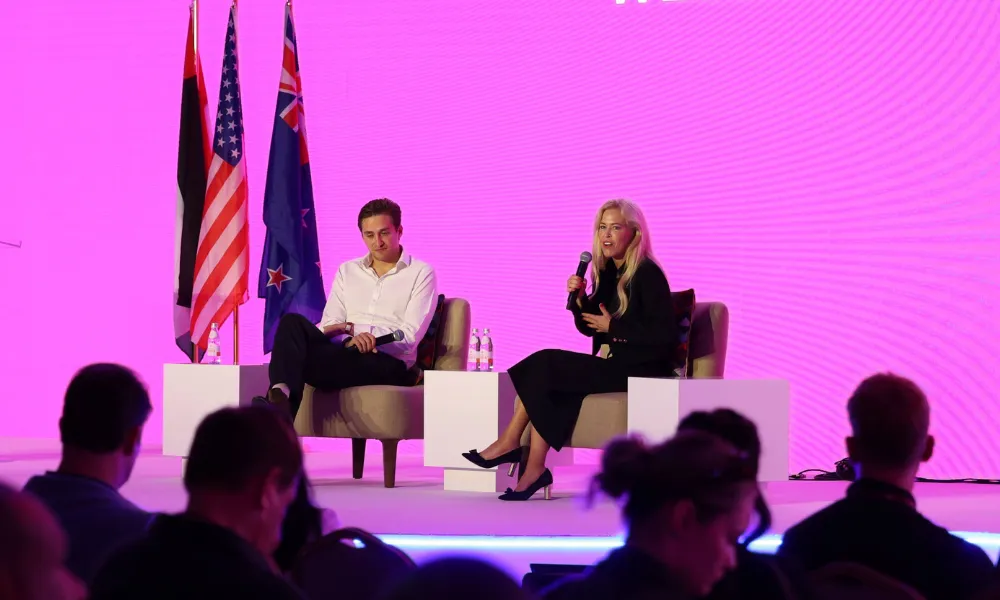
Freddie Moross, Founder & CEO, Myndstream, United Kingdom
Dawn Mussallem, DO, Integrative Oncologist, Mayo Clinic, United States
Freddie opened with a memory of Dr. Richard Carmona, saying to him five years ago at his first summit, “music could one day be prescribable.” That comment stayed with him, and now, Myndstream’s new partnership with Mayo Clinic brings them one step closer to that reality.
Dawn spoke of her experience as a young medical student with a cancer diagnosis and then her subsequent battle leading up to her heart transplant in 2021. During this time, Covid prevented visitors and music made the experience much more bearable. Up to 95-97% of the time spent in hospital is spent without a care provider in the room, and music can make a huge difference to the patients.
If patients could have music at their control in their rooms, this would create a more positive atmosphere and could help both the patients and the caregivers. Music therapy can help to reduce opioid and pain medication use, in addition to the time spent on a ventilator; it therefore also reduces costs for the medical facility.
Revolution in Medicine: The Science Behind the Cures
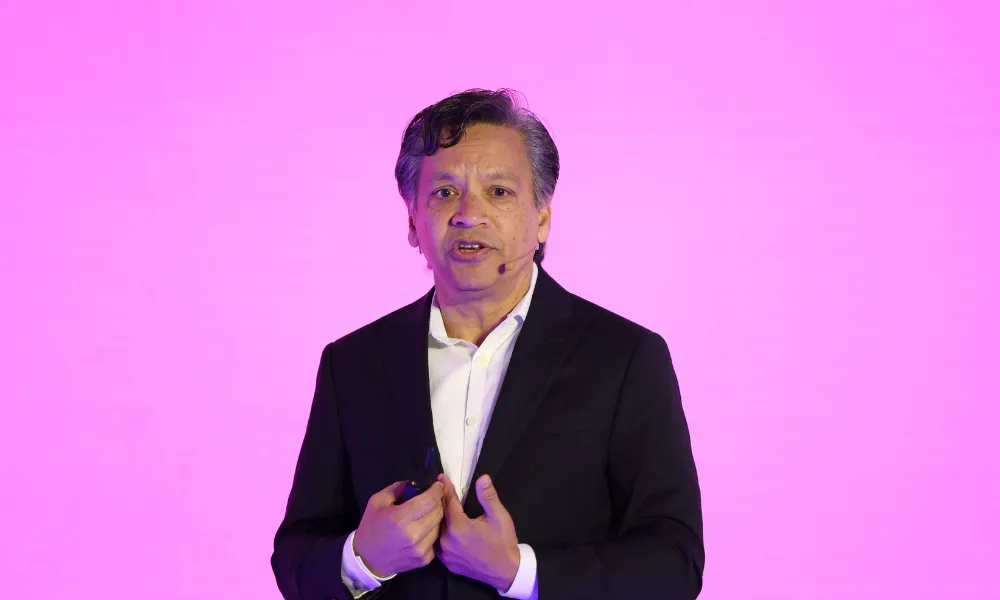
Deepak Srivastava, MD, President and Senior Investigator, Gladstone Institutes, United States
Deepak explains that we are now living in an era where diseases can be realistically cured. Most diseases can be categorized by cells being lost or by cells malfunctioning. The cure can be based on replacing the lost cells or fixing the malfunctioning cells. The next step is to prevent people from ever getting these diseases, i.e., keeping the cells healthy. We can do this by using AI to reprogram and rewrite the genome via stem cells and gene editing.

With the increase in lifespan, preventing Alzheimer’s becomes a priority; at current rates, over 50% of people over the age of 85 will get the disease. Taking the patient’s blood sample, the cells can be reversed to pluripotent stem cells and then grown into brain cells. AI then simulates the effects of thousands of drugs on these cells with a predisposition to Alzheimer’s.
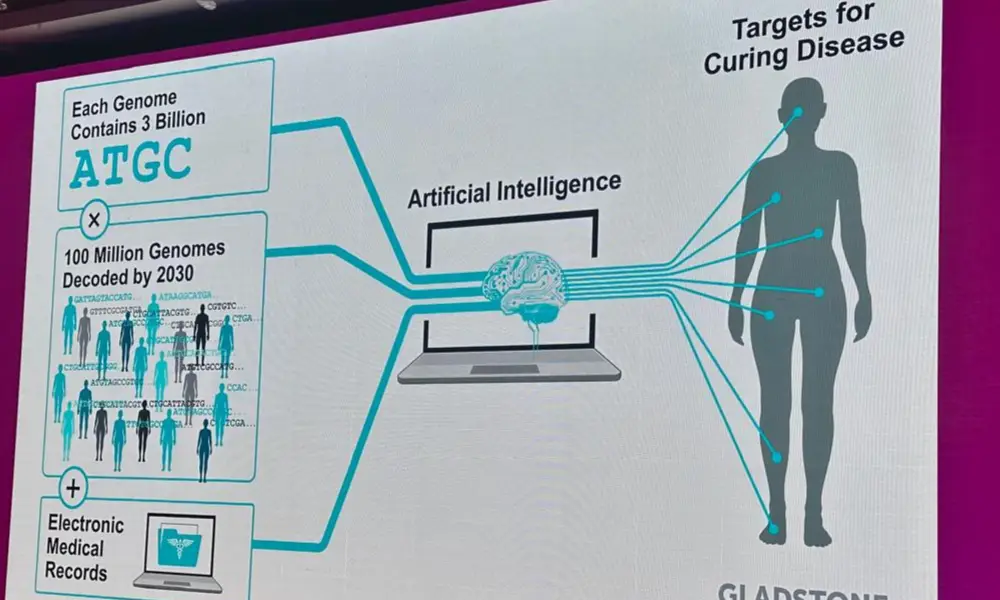
With the latest advances, the cells can actually be reprogrammed to regenerate within the organ itself. Just three master genes need to be introduced to the non-muscle heart cells, which can cause them to grow into new heart muscle cells, preventing the need for heart transplants.
Biohacking: A Foundation of Longevity
Dave Asprey, Founder, The Asprey Group, United States
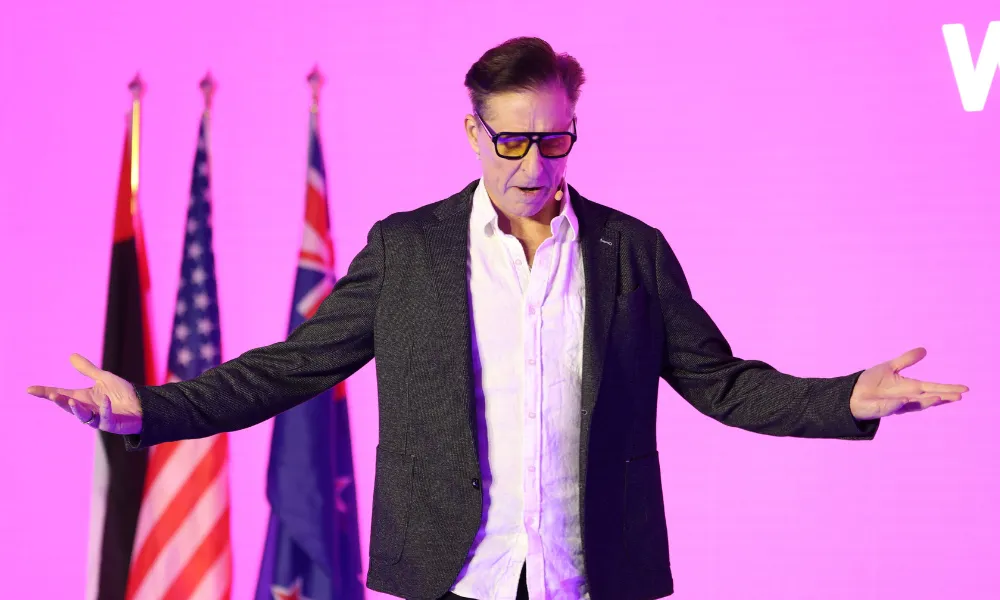
As a computer scientist, Dave has spent years learning to ‘hack’ his body after the medical community wasn’t able to help him. Having travelled and studied ancient practices from around the world, Dave learned that the keys to immortality and longevity were practices used for thousands of years. He knew that rebranding ‘longevity’ would help it appeal to a younger audience. This radical reframing turned ‘biohacking’ into a movement adopted by people of all ages who wanted to improve their biology and help their bodies function better.
Biohacking puts you in charge of your biology and body! Your cardio training can be completed in 3 x 5-minute sessions instead of hours on the treadmill or in spinning classes and can result in a 12% improvement in VO2 max. Your weight training routine can be completed in 20 minutes per week, helping you build muscle and stay lean without spending hours in the gym.
How Wearable Data Is Rewriting the Rules of Human Performance, Longevity and Resilience
Kristen Holmes, PhD, Global Head of Performance, Principal Scientist, WHOOP, United States
Jeremy Jauncey, Founder & CEO, Beautiful Destinations; 2025 Global Wellness Summit Co-Chair, United Arab Emirates
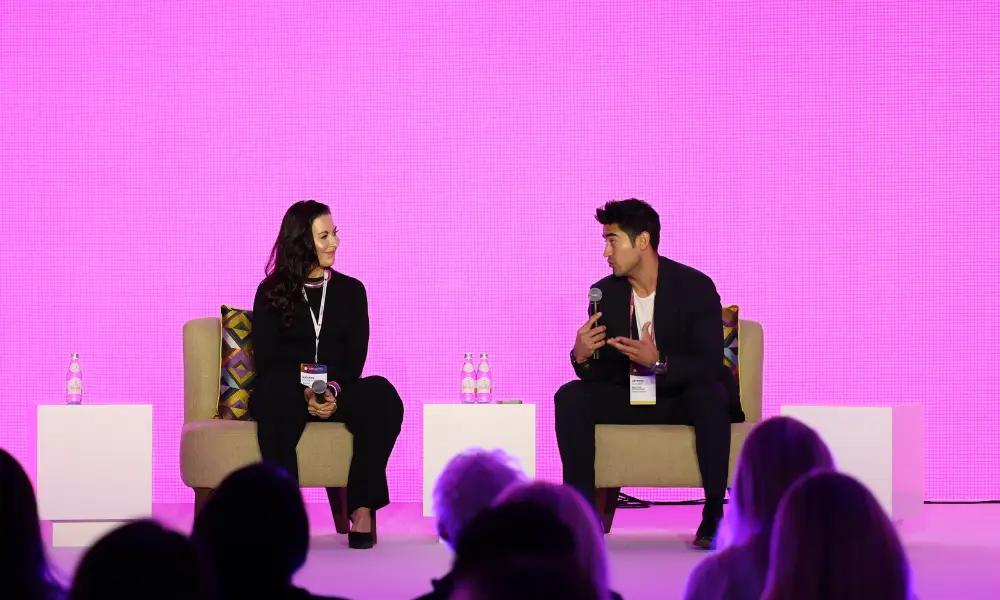
Studying elite golfers initially, Whoop analyzed how they managed stress and sleep and how it correlated to their golfing performance. Managing stress and sleep successfully made a difference at the competitive level, equivalent to 3 strokes of play in golf – a huge difference.
Sleep-wake consistency is the variable that is most predictive of psychological functioning, cognitive performance, and perceived stress during the day. It is also related to all-cause mortality, sleep quality, and lean body mass.
When dealing with sleep deprivation, REM rebound happens; people experience more REM sleep as a way of compensating, but are then more susceptible to disease and illness. Stress is not bad, as long as we perceive it as challenging and have the resources to manage it. This must be matched with a sufficient amount of time spent in recovery.
Whoop’s ‘healthspan’, a new feature launched this year, synthesizes nine metrics, all related to longevity. Monitoring these gives you more control over your functionality and pace of aging.
Whoop’s platform can also incorporate biomarkers taken from blood tests to take health analysis to the next level, allowing users to proactively manage their health.
Kristen advises that lifting weights and monitoring our light intake during the day and night are some of the best actions we can take.
Why Scientific Wellness and Exercise Is Important for an Aging Population
Jiri Dvorak, MD, Professor Emeritus Neurology, University of Zurich; Chief Medical Officer (1994–2016), FIFA, Switzerland
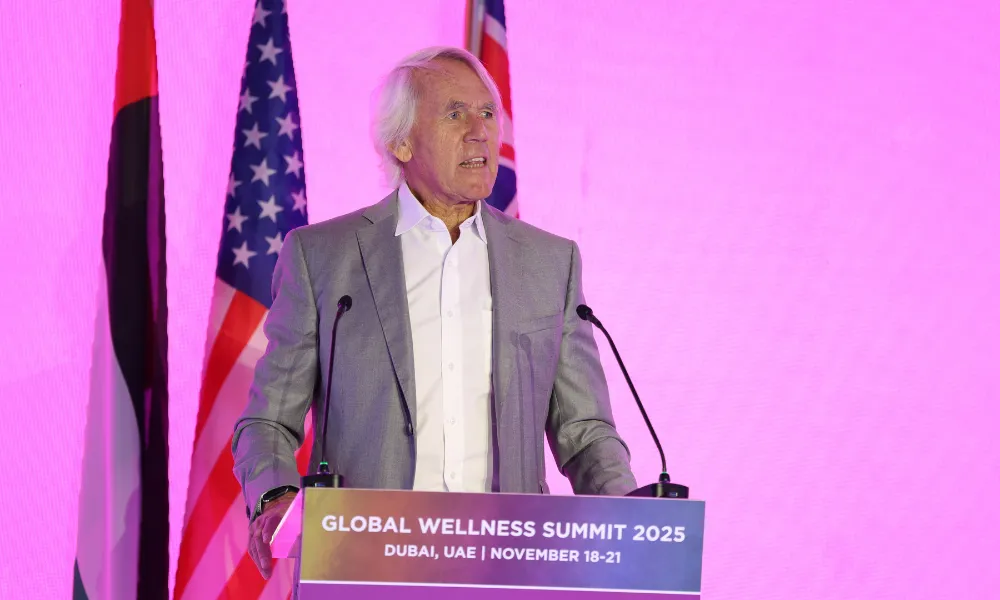
The negative physical effects of aging and inactivity include a decrease in muscle mass and strength, and a reduction in bone density. These declines contribute to reduced cardiovascular and respiratory function, impaired balance and coordination, and a higher risk of falls and fractures. Critically, the negative impact also extends to a decline in cognitive function and brain health. Muscle density is imperative to healthy aging; women should aim for 35% muscle and men for 45% muscle, as analyzed by a DEXA scan.
Brain volume decreases by 5% per decade after age 40, accelerating past the age of 70, leading to cortical thinning, which is linked to dementia and Alzheimer’s. The number of affected people (currently over 55 million) is expected to triple by 2050 – but significantly, over 45% of cases are preventable. It has been conclusively proven that physical activity protects the brain and prevents cognitive decline.
Shark Tank of Wellness Student Competition
Shark Tank Finalists
Damia Ahmad Faizal, Dongseo University, South Korea
Seed Sniff is an easy-to-use device that can detect seed oils in your food, helping consumers to stay away from inflammatory ingredients they are trying to avoid.
Lina Madeleine Holzkämper, Management Center Innsbruck, Austria
This AI-powered platform helps hospitality businesses tailor experiences to the guests’ needs, abilities and preferences.
Riya Shah, Savannah College of Art & Design, United States
A tactile breathwork guide that attaches to your phone via MagSafe connection, with lights, braille-inspired bumps, and a variety of guided breathwork sessions.
Professors
Daniel Kessler, Dongseo University, South Korea
Franz Linser, PhD, Management Center Innsbruck, Austria
Gauri Misra-Deshpande, Savannah College of Art and Design, United States

Debra Simon Award for Furthering Mental Wellness
Lauren Wright, President, Debra Simon Family Foundation, United States
The award was presented to Meng-Mei Chen, PhD, Assistant Professor of Marketing, EHL; Author, Hospitality Vibes, Switzerland. Meng-Mei lost her husband and wrote her book, Hospitality Vibes, in his honor.

Bennett Family Award for Collaboration in the Science of Wellness
Bija Bennett, CEO, BijaB, United States
The award was presented to Deepak Srivastava, MD, President and Senior Investigator, Gladstone Institutes, United States.

A Moment of Gratitude
Michelle Gamble, SVP, Global Business Development, Global Wellness Summit, United States

Democratizing Wellness on an Unimaginable Scale
Nancy Davis, Chief Creative Officer & Executive Director, Global Wellness Summit, United States
Robert Hanea, Founder & CEO, Therme Group, Germany
During the Roman Empire, baths were used by many, and Rome catered to thousands of people per day with eleven facilities. Today, at Therme spas, prices start at around 25 euros, truly democratizing the hydrotherapy experience. Their add-on services include touchless wellness technology like red light therapy. Looking ahead, energy, AI, humanistic and commodities necessary for human life will be the four industries remaining moving forward. Wellbeing will be more meaningful than we can even imagine.

Reverse Pitch
Moderated by
Anita Mendiratta, Founder & CEO, Anita Mendiratta & Associates, United Kingdom
Investors

Sam Evans, General Partner, EOS Ventures, United Kingdom
Sam looks for longevity wellness businesses focused on prediction and prevention, looking to invest in North America or Europe with investments of 7-10 million USD.

Phil Newman, Founder and CEO, Longevity. Technology, United States
Phil is looking for seed stage to series A in biotech or supplementation, they can help with marketing and media, and typically invest 5-10 million USD.

Neil Jacobs, Founder, Wild Origins, Singapore and United States
Neil looks to invest in hotels and resorts with a wellness base, looking to attract a broad customer base and have a focus on sustainability.

Kushal Shah, Dubai Angel Investors, UAE
Kushal is looking for companies that make you happy, companies that make you strong, or companies that make their companies stronger. Kushal is investing in pet wellness and pet hotels at the moment.

Research, Science, Genes & Longevity
Kenneth R. Pelletier, MD, PhD, Author; Clinical Professor of Medicine, University of California School of Medicine, United States
Kenneth predicts that in the next 5 years, we will have science-based answers for reversing age-related degradation by 10-20 years. XPrize offers a 101 million USD prize fund, which will be awarded in 2030 to the winner of this contest.

Twin studies have shown that genetic predisposition accounts for only a small proportion of disease predisposition. The risk comes predominantly from lifestyle. Life expectancy is increasing around the world, yet in the US, it is actually declining due to preventable diseases.

The ‘Divine Dozen’ longevity factors found in Blue Zones and centenarian communities emphasize a holistic lifestyle: a Mediterranean-style diet (fish, lentils, no refined carbs/sugar) coupled with daily, natural physical activity like farming or fishing, and regular sleep. Key social components include having strong psychosocial bonds, respecting the elderly as decision-makers, remaining sexually active into old age, and maintaining a positive philosophy of life, without the fear of death. These communities also benefit from a clean environment free of toxins, utilize appropriate primary care, including alternative therapies, and consume alcohol socially with meals, noting that coffee is also considered beneficial.

Marisa Peer, Founder, Marisa Peer School and RTT® Method, United Arab Emirates
Marissa guided the audience in a ritual of affirmations, reminding us that we are worthy and deserving of taking time off, relaxing and just being, without the guilt of always having to achieve and be busy.

The Next Frontier of Wellness Tourism: Mindset, Storytelling and Human Authenticity

Moderated by Lindsay Madden-Nadeau, Senior Director Wellness Strategy, Red Sea Global, Kingdom of Saudi Arabia
Creating wellness and hospitality experiences rooted in Saudi culture and a natural environment, Lindsay and Red Sea Global aim to put Saudi Arabia on the map as a global wellness destination.
Panelists

Marisa Peer, Founder, Marisa Peer School and RTT® Method, United Arab Emirates
If a spa or wellness practitioner can help us get in touch with our bodies and create healthier habits, encouraging us to slow down, this creates value. A great spa will not offer a fix, but help guests to fix themselves. The most important thing is that we all like ourselves and value our self-worth enough to make the right choices, prioritizing self-care! Ask yourself, “What does my body need?” rather than, “What do I want?” Spas should be part of nature, because when we connect with the rhythms of nature, we let go, and we’re reminded of who we are.

Alexandra Venison, Contributing Writer, Vogue Arabia; Co-Founder, Beautilist, United Arab Emirates
Wellness is based on the basic pillars of lowering stress, moving, sleep, and nutrition, but social media is showing us perfection and wellness activities without always including the education behind it. Focusing more on the feeling of the individual is imperative, and less on the performance.

The Science of Contrast Therapy for Longevity
Susanna Søberg, Founder, Søberg Institute; Founder, Thermalist®, Denmark
Susanna explained the Thermalist approach, answering the question, ‘What is keeping us healthy?’ Susanna’s mother reversed type 2 diabetes and came off medication via lifestyle practices that Susanna studied from a young age, specifically to help her mother.
Chronic stress, which drives high cortisol levels, causes high blood pressure, type 2 diabetes, and heart disease. Contrast therapy done right is a powerful practice in managing stress. Just 11 minutes of cold water immersion per week, broken down into different sessions, and 57 minutes of sauna per week are effective for health. This increases your body’s brown fat, which burns calories.
Susanna presented three cold exposure protocols with diverse benefits: 1-3 weekly sessions of 1-2 minutes in open water boosts social connection, happiness, and reduces anxiety/depression (Østergaard, 2024); another indicates that a 15-minute acute cold water immersion at around 50°F (10°C) can reduce negative feelings and cortisol levels for better mental health (Reen et al., 2023); and finally, a 5-minute immersion at around 59°F (15°C) is shown to increase parasympathetic activity (HRV) by up to 30% and improve perceived sleep quality by up to 38% (Haddad, 2011).
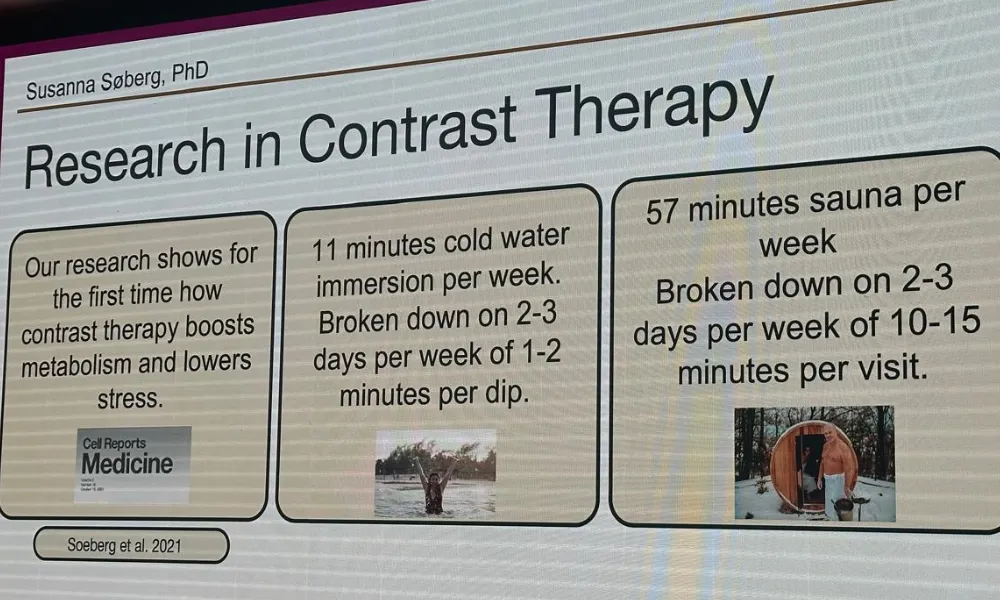
Significant cardiovascular benefits are shown from the Finnish Sauna Cohort Study: using a sauna at 176°F (80°C) for 15-20 minutes per session leads to a 50% lower cardiovascular and all-cause mortality risk with 4-7 sessions per week, and a 27% lower risk with 2-3 sessions per week. Beyond longevity, 3 weeks of 6 x 5-minute sets can decrease cortisol levels, and 10-20 minutes in the sauna can increase HRV and growth hormone, suggesting sauna therapy is a powerful tool for reducing stress and improving overall health.
Susanna’s project, Thermalist, a next-gen, science-backed wellness chain, is due to launch next year.

Scientific Wellness
Moderated by
Anita Mendiratta, Founder & CEO, Anita Mendiratta & Associates, United Kingdom
Panelists
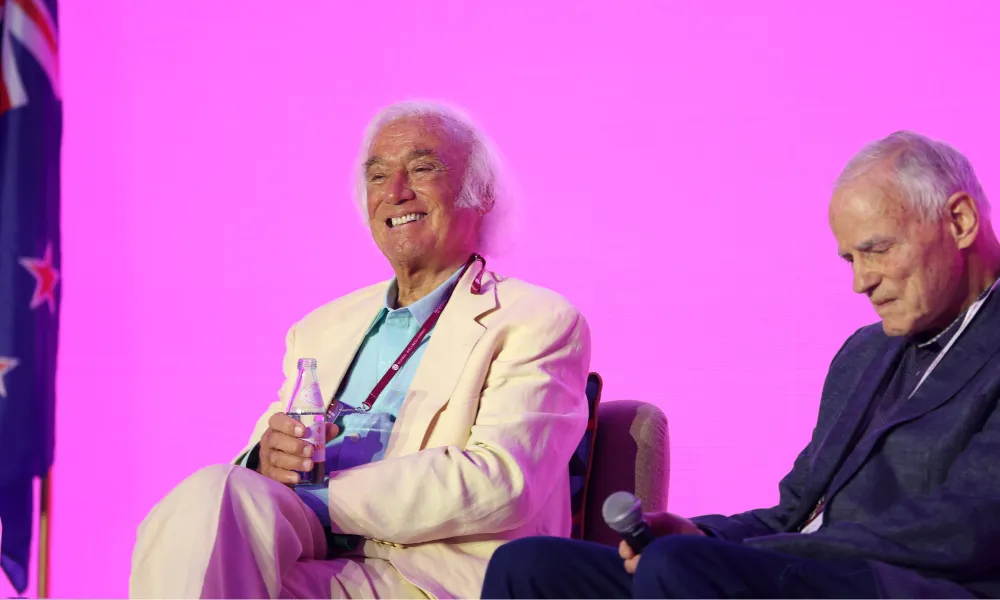
Kenneth R. Pelletier, MD, PhD, Author; Clinical Professor of Medicine University of California School of Medicine, United States
Working with Fortune 500 companies, they successfully helped people stop smoking. Taking the program from San Francisco to Warsaw, the program failed completely until they reimagined the approach and included the grandmothers of the executives. In the Polish culture, the grandmothers are revered as the head of the family and must be included so they are in support of the program.
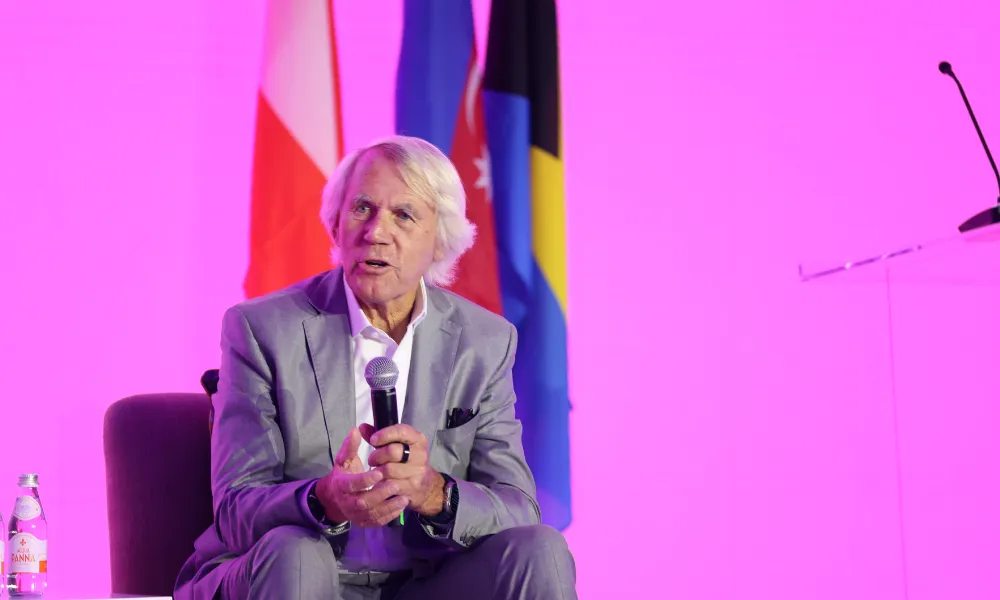
Jiri Dvorak, MD, Professor Emeritus Neurology, University of Zurich; Chief Medical Officer (1994–2016), FIFA, Switzerland
Working with footballers at an elite level can influence millions as the public listens when they speak, and taking the message to schools helps ensure that children learn and trust the message of wellness.
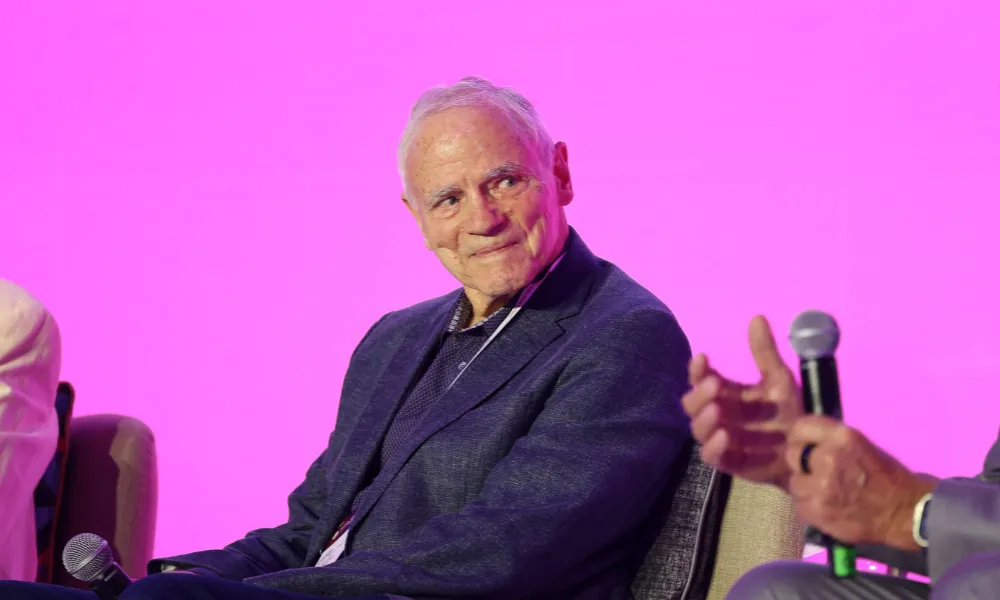
Leroy Hood, MD, PhD, Author, The Age of Scientific Wellness; Co-Founder, Institute for Systems Biology, United States
Teaching kids wellness is the most important concept; teaching adults is more of a challenge, but activating Hollywood and celebrities can help spread the message.

Sports, Competition and the Drive to Achieve
Joe DeSena, Founder & CEO, Spartan, United States
Joe’s message, essentially, is to get people outside. Some sunlight, dirt, a start line and a finish line had the power to change lives and build a movement. Tolerance has lowered and expectations have risen, but we are better people with more tolerance. Find your ‘why’ first of all; life is hard, you need to know your purpose! Commit to your goal, maximize your time, consider your goal with each decision, accept that you will reach disillusionment and lose enthusiasm, ignore the naysayers and persevere, embrace adversity and enjoy it, gain grit when you inevitably get set back, and create future memories, gaining community and integrity.
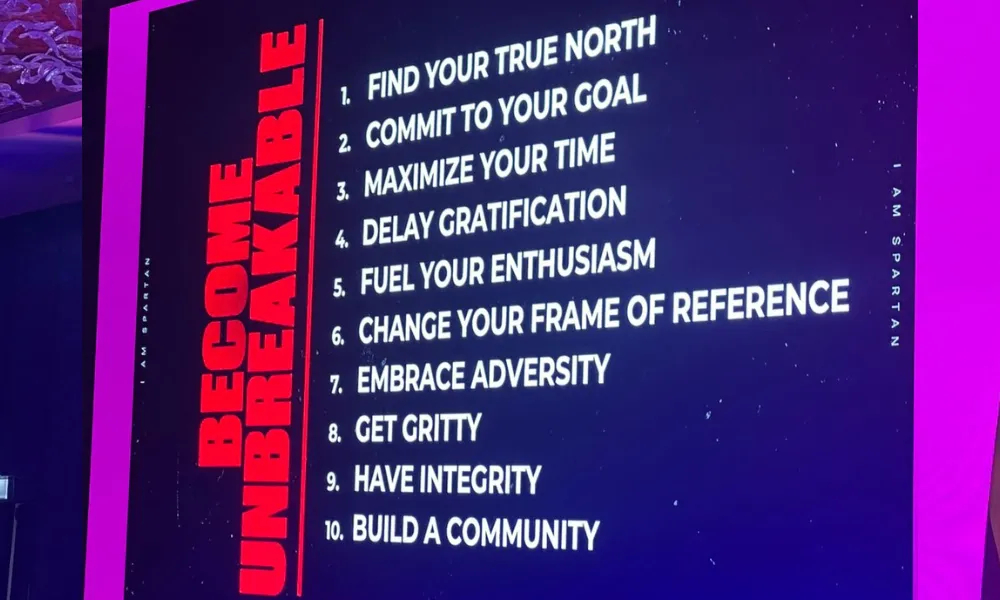
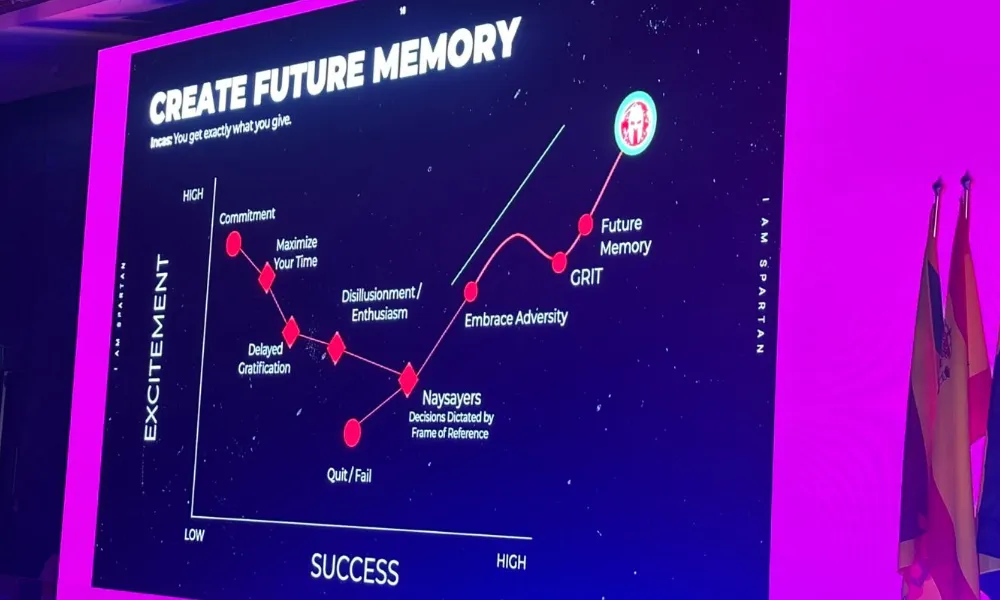
Doing hard things together is bonding and builds community; no one does anything great alone!
By Sara Jones, Editor